JEFFERSON CITY, Mo. (From the HERE City State Desk) — Missouri came through the federal detonation of unstable explosives at an Iowa Army plant without any measurable lead drifting across the state line, state leaders said, while federal crews keep testing air, water and soil across the region.
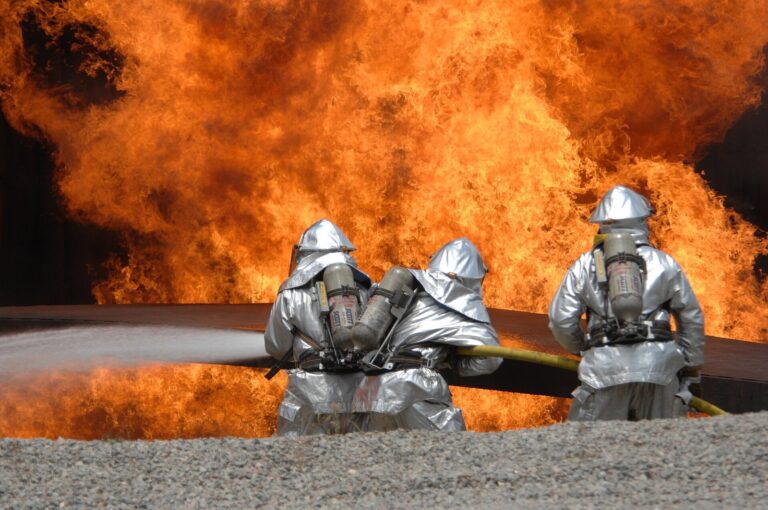
The U.S. Army set off the stockpile of degraded lead azide Wednesday morning inside a concrete bunker at the Iowa Army Ammunition Plant in Middletown, Iowa. The plant sits 57 miles from the Missouri border. Ahead of the blast, crews buried the bunker under layers of earth, sand and water topped with two feet of high-expansion foam to hold down the explosion and the spread of lead.
Gov. Mike Kehoe had activated the State Emergency Operations Center before the operation. Afterward his office said federal monitoring showed no detectable lead headed toward Missouri and that the state expects no harm to its air, water, farms or public health. The Missouri National Guard lent technical help as state agencies sized up possible effects.
Agency heads described the outcome as better than they had planned for. Natural Resources Director Jake Buxton said the blast turned out far less significant than feared, Health and Senior Services Director Sarah Willson said air readings confirmed a best-case result for the state, and Agriculture Director Chris Chinn said Missouri farm products and the food supply remain safe.
The federal Environmental Protection Agency reported Thursday that its real-time air monitors have shown zero airborne lead anywhere in the region since the detonation. Before the blast, federal teams took 1,591 samples of air, water, soil and dust. After it, roughly 300 staff and contractors fanned out and have collected more than 1,000 more.
Testing is not finished. The EPA lined up checks at schools, churches, daycares and playgrounds and said it would keep checking agricultural ponds in Missouri, with the first lab results on post-blast samples expected as soon as Friday. Some of that work is being handled at the agency regional lab in Kansas City, Kansas.
State officials said they will keep reviewing the findings and post health guidance and updates on the Missouri Department of Natural Resources website.
Section: More Kansas City MO crime news
Filed under: Kansas City MO Public Safety News