

Kansas City, MO, January 22, 2026
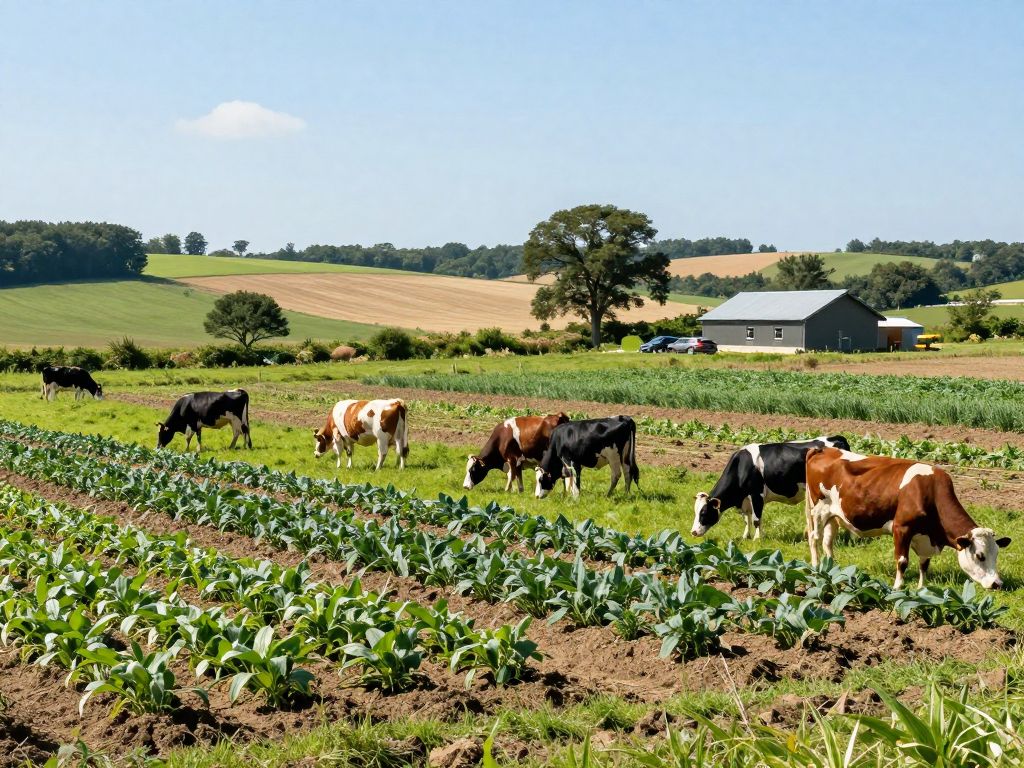
Local entrepreneurs in Kansas City, MO, are embracing regenerative agriculture, enhancing soil health and boosting profits. This shift signals a powerful convergence of ecological responsibility and economic growth in the region, fostering innovation and environmental stewardship.
Kansas City, MO – In the heart of the Midwest, where agriculture has long been a foundational pillar of the economy, a quiet revolution is taking root. Local entrepreneurs and resilient small businesses are increasingly embracing innovative farming practices that promise not only healthier lands but also stronger financial returns. This shift towards regenerative agriculture exemplifies the spirit of adaptation and forward-thinking central to the Kansas City MO business landscape, fostering economic growth and environmental stewardship in equal measure.
The pursuit of healthier soils and stronger herds represents a significant personal achievement for many Missouri MO entrepreneurs who are redefining what it means to be a successful farmer. By moving beyond conventional approaches, these innovators are demonstrating how sound land management, coupled with a keen business sense, can lead to both ecological restoration and enhanced profitability, benefiting the entire Midlands economic growth trajectory.
The Foundation: Healthy Soil for Resilient Farms
Healthy soil is the bedrock of any thriving agricultural enterprise, playing a critical role in supporting plant growth, storing vital water, and sustaining diverse forms of life. Historically, some conventional farming methods have inadvertently contributed to soil depletion, impacting the long-term viability of agricultural lands.
However, regenerative agriculture presents a transformative solution, focusing on actively restoring soil health, enhancing biodiversity, and improving crucial ecosystem services. This holistic approach rebuilds the natural balance of ecosystems through various practices. Key to this regeneration are organic inputs, such as compost, worm castings, and manure, which enrich the soil and foster a vibrant microbial community. These practices go beyond mere sustainability, aiming to actively regenerate critical resources including soil, water, air, and biodiversity.
Economic Growth Through Regenerative Practices
The adoption of regenerative agriculture is proving to be a compelling economic strategy for farmers. Research highlights that these practices can lead to significant financial advantages, including lower input costs, improved crop yield and quality, and greater resilience to market fluctuations and extreme weather events. Studies have indicated that regenerative farmers can be nearly 80% more profitable than those using conventional methods. Furthermore, farmers can anticipate substantial returns on investment, potentially ranging from 15% to 25% after a full transition to regenerative systems, with possible annual returns of $20-60 per acre for the first decade.
A core aspect of this increased profitability stems from a reduced dependence on expensive synthetic inputs like fertilizers and pesticides. By relying more on natural processes and healthy soil biology, farmers can significantly cut down on operational expenses. Beyond cost savings, regenerative agriculture also opens up new revenue streams for farms, such as earning carbon credits. These credits provide an additional income based on soil carbon sequestration and emission reductions, rewarding environmentally responsible land management.
Stronger Herds, Better Forage, and Sustainable Livestock Management
The benefits of healthy soil extend directly to the well-being and productivity of livestock, resulting in stronger herds. Healthier soil leads to improved forage quality and quantity, which is a major livestock feed source. This is because healthy soil provides the essential nutrients, water, and structural integrity necessary for growing high-quality forage, directly supporting the nutritional needs and overall health of animals.
Innovations in livestock management further enhance these advantages. Modern practices include precision feeding systems that minimize waste, advanced manure management technologies that can convert animal waste into renewable energy and nutrient-rich biofertilizer, and sensor-based monitoring systems for early detection of animal health issues. Rotational grazing systems are also a key innovation in land management, improving soil carbon sequestration. These technological and managerial advancements not only elevate animal welfare and boost productivity but also optimize resource utilization and significantly reduce the environmental impact of farming operations.
Innovation and Entrepreneurship in Agriculture
The adoption of regenerative practices is a testament to the entrepreneurial spirit thriving within the agricultural sector. Farmers are making calculated changes to their operations, adapting systems, and embracing new technologies to foster resilience and long-term success. This entrepreneurial drive is critical for navigating the complexities of modern agriculture and capitalizing on new opportunities.
Technology plays a transformative role in this evolution. Smart agriculture leverages innovations such as IoT (Internet of Things) devices, sensors, big data analytics, drones, robotics, and artificial intelligence (AI) for precision farming and sophisticated soil and water management. These tools empower farmers to make data-driven decisions, optimize resource utilization, enhance crop yields, reduce costs, and minimize environmental footprints. By embracing these advancements, agricultural entrepreneurs can drive innovation and contribute to a more resilient and productive agricultural sector, benefiting the entire Kansas City MO business community.
Community and Economic Resilience
The prosperity of farms utilizing regenerative practices ripples outward, strengthening the wider regional economy. Strong, healthy family farms are recognized as essential for a robust economy and a resilient food system, contributing significantly to Midlands economic growth. Beyond individual farm profitability, these practices generate substantial public benefits.
Healthy soils lead to improved water quality by reducing nutrient and sediment pollution, reduced greenhouse gas emissions from agriculture, and increased carbon storage. They also enhance biodiversity and reduce flood risk. These environmental improvements contribute to the overall well-being and economic stability of communities throughout the Kansas City MO region. By fostering efficiency and reducing reliance on external inputs, entrepreneurial innovation in farming can also align with the benefits of limited regulation, creating a more self-sufficient and dynamic agricultural sector. This approach underscores how private investment and community involvement in economic development are integral to a flourishing regional ecosystem.
In conclusion, the movement towards healthier soils and stronger herds through regenerative agriculture represents a powerful convergence of ecological responsibility and economic opportunity for Missouri MO entrepreneurs. This innovative path not only promises a more sustainable future for farming but also demonstrates how small-business resilience and personal achievement can drive significant economic growth. Supporting local farms that embrace these practices is an investment in the long-term health and prosperity of our land and our community. We encourage everyone in the Kansas City area to learn more and engage in shaping the vibrant economic future of our region.
Frequently Asked Questions About Regenerative Agriculture
- What is regenerative agriculture?
- Regenerative agriculture is a holistic approach designed to regenerate critical resources such as soil, water, air, and biodiversity while boosting farmers’ incomes.
- How does healthy soil impact farm profitability?
- Healthy soil leads to lower input costs, improved crop yield and quality, and greater resilience to market volatility and extreme weather events. Regenerative farmers can be nearly 80% more profitable than conventional farmers.
- What are some key practices in regenerative agriculture?
- Key practices include minimal soil disturbance (no-till/reduced tillage), cover cropping, diverse crop rotations, managed livestock integration, compost application, and reduced synthetic inputs.
- How does regenerative agriculture benefit livestock?
- Healthy soil provides the nutrients, water, and structure necessary for high-quality and high-yield forage, which directly supports the nutritional needs and health of livestock, leading to stronger herds.
- Are there new revenue streams for farmers adopting regenerative practices?
- Yes, regenerative agriculture opens new green revenue streams for farmers, such as rewarding them for carbon capture and storage in the soil through carbon credits.
- What technologies support regenerative agriculture?
- Smart agriculture utilizes technologies like IoT, sensors, big data analytics, drones, robotics, and AI for precision farming, soil and water management, crop and livestock monitoring, and supply chain management.
Key Features of Regenerative Agriculture
| Feature | Description | Benefits | Scope |
|---|---|---|---|
| Soil Health Enhancement | Practices like cover cropping, no-till farming, and organic amendments rejuvenate soil biology and organic matter. | Increased water retention, reduced erosion, improved nutrient cycling, higher crop yields, and greater resilience to extreme weather. | Nationwide |
| Economic Profitability | Reduced dependence on synthetic inputs, lower production costs, and new revenue streams like carbon credits. | Regenerative farmers can be nearly 80% more profitable with potential annual returns of $20-60 per acre for the first decade. | Nationwide |
| Herd Health Improvement | Healthy soil leads to improved forage quality and quantity for livestock. | Supports optimal animal nutrition, stronger herds, and overall livestock productivity. | Nationwide |
| Technological Innovation | Integration of smart agriculture technologies like IoT, sensors, big data, drones, robotics, and AI. | Optimized resource utilization, data-driven decision-making, improved yields, reduced costs, and minimized environmental impact. | Nationwide |
| Environmental Resilience | Enhances biodiversity, sequesters carbon, reduces greenhouse gas emissions, and improves water quality. | Creates a more sustainable and resilient ecosystem, contributing to long-term food security and climate mitigation. | Nationwide |
Deeper Dive: News & Info About This Topic
HERE Resources
Noble Research Institute Expands Regenerative Ranching Courses
Local Flour Mill Supports Farmers with Sustainable Practices

Author: STAFF HERE KANSAS CITY WRITER
The KANSAS CITY STAFF WRITER represents the experienced team at HEREKansasCity.com, your go-to source for actionable local news and information in Kansas City, Jackson County, and beyond. Specializing in "news you can use," we cover essential topics like product reviews for personal and business needs, local business directories, politics, real estate trends, neighborhood insights, and state news affecting the area—with deep expertise drawn from years of dedicated reporting and strong community input, including local press releases and business updates. We deliver top reporting on high-value events such as American Royal World Series of Barbecue, Dia De Los Muertos, and Planet Anime Kansas City. Our coverage extends to key organizations like the Greater Kansas City Chamber of Commerce and United Way of Greater Kansas City, plus leading businesses in healthcare, finance, and entertainment that power the local economy such as Children's Mercy Hospital, Government Employees Health Association, and AMC Entertainment. As part of the broader HERE network, including HEREStLouis.com, we provide comprehensive, credible insights into Missouri's dynamic landscape.