
Missouri, January 20, 2026
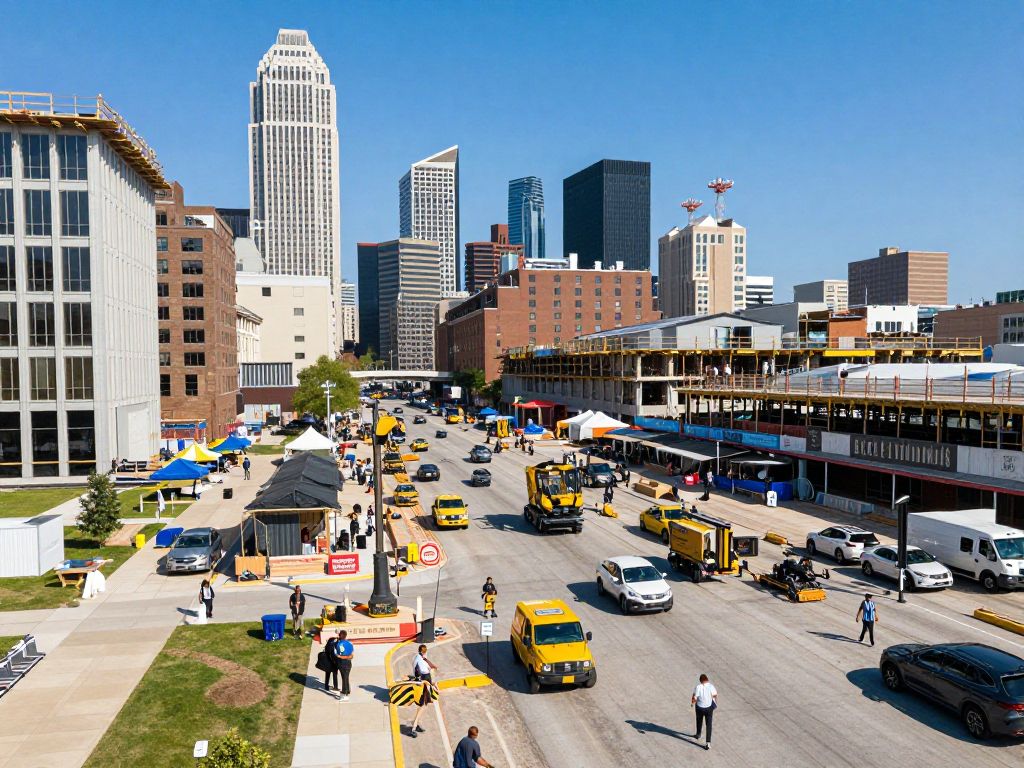
Missouri’s mid-sized cities are experiencing a surge in economic growth as population trends evolve, bringing new opportunities for businesses and labor. This shift underscores the resilience of local entrepreneurs and strategic community development efforts. The growth is particularly evident in cities like Springfield and Columbia, driven by innovation, targeted investments, and a collaborative entrepreneurial ecosystem. As non-metro areas gain population and investment increases, Missouri’s economic landscape is transforming, with a focus on workforce development and reduced regulatory burdens.
Mid-Sized Missouri Cities Spark New Economic Growth
As population trends evolve across Missouri, a notable shift is invigorating the state’s mid-sized cities, creating new opportunities for business and labor. This transformation highlights the resilience of local entrepreneurs and the positive impact of strategic community development in fostering economic vitality.
While major metropolitan areas continue to hold significant economic weight, the accelerating growth in smaller urban centers signals a dynamic rebalancing of Missouri’s economic landscape. This emergence is fueled by local innovation, targeted investments, and a proactive approach to cultivating an environment where businesses can flourish with reduced barriers.
Population Dynamics Reshaping Missouri’s Urban Fabric
Missouri’s population increased by over 11,000 residents between 2019 and 2020, representing a 0.2% growth rate. This growth, however, has been unevenly distributed across the state. While the Kansas City, MO-KS metropolitan statistical area (MSA) experienced a 0.5% growth rate from 2019 to 2020, and the Missouri side of the metro area grew even faster at 0.6%, mid-sized cities like Springfield and Columbia demonstrated even more rapid growth, expanding by 0.8% and 0.7% respectively. These figures indicate that smaller urban centers are increasingly attractive for new residents.
More recent trends from 2020 to 2023 show a significant shift, with non-metro areas gaining population at a faster pace than metro areas. From 2020 to 2023, metro annual growth rates slowed to 0.2%, while non-metro areas gained 0.3% annually. This non-metro growth was primarily concentrated in Missouri’s southwest region.
Entrepreneurial Spirit and Innovation Hubs Thrive
Missouri has established itself as a growing hub for startups and entrepreneurship. The state has cultivated a dynamic ecosystem that supports emerging companies through access to funding, resources, talent, and technology. This includes a network of innovation communities, districts, and centers across Missouri, such as the Keystone Innovation District in Kansas City, the Douglas C. Greene Center for Innovation and Entrepreneurship in Cape Girardeau, and the Jordan Valley Innovation Center in Springfield.
These innovation centers foster a collaborative and forward-thinking spirit, essential for both small businesses and larger corporations. Entrepreneurs are leveraging the state’s comparatively low cost of living, robust infrastructure, and central location to build companies across various fields, including biotech, fintech, and edtech.
Strategic Investments Fueling Local Economies
Private investment plays a crucial role in the economic expansion of Missouri’s mid-sized cities. In 2022, private equity firms invested $7.43 billion in Missouri, supporting 308 private equity-backed companies and 221,000 employees statewide. Kansas City has seen substantial financial commitments, with new businesses in 2024 bringing in approximately $1.8 billion worth of investment and creating nearly 1,500 jobs.
Significant projects, such as an $800 million hyperscale data center built by a major tech company in Kansas City, underscore the appeal of Missouri for large-scale private investment. Another rural Missouri community is also seeing an $800 million beef processing facility, further diversifying the state’s economic base. These investments highlight a growing confidence in Missouri’s economic stability and potential for long-term growth.
The Impact of Limited Regulation on Business Growth
Research suggests that reducing regulatory burdens can lead to stronger economic growth. Within Missouri, studies indicate that increased federal regulations have been associated with a rise in poverty rates and a decrease in small business startups and job creation. Conversely, freezing regulations for ten years is projected to increase forecasted Gross Domestic Product (GDP) by about 1.8% and reduce the price level by approximately 5.7%, which can help lower inflation by an average of 0.6% per year.
Missouri is ranked as the 33rd most regulated state in the U.S. Policymakers in Missouri have the opportunity to counteract the negative impacts of regulatory accumulation by actively working to cut red tape. Efforts to streamline processes and reduce the complexity of regulations can create a more predictable investment environment, encouraging both new businesses and the expansion of existing ones.
Community Partnerships and Workforce Development
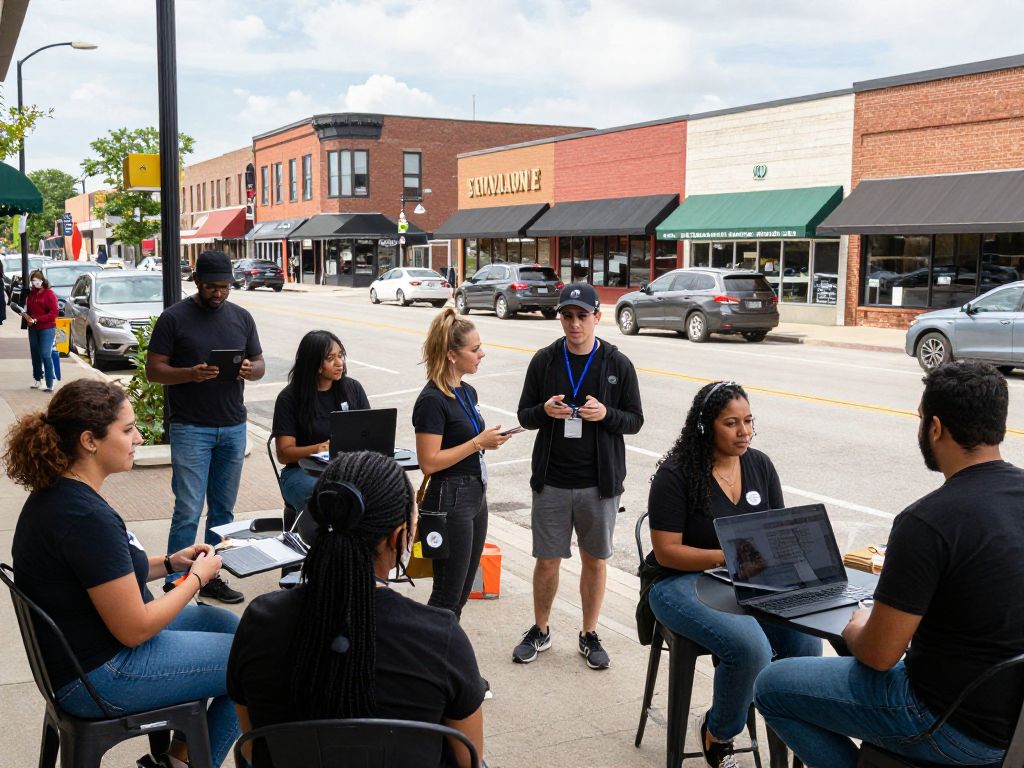
Community engagement by entrepreneurs is a key factor in strengthening social cohesion and economic resilience. A significant portion of entrepreneurs, 91%, actively contribute to their communities beyond their business obligations. This involvement broadens perspectives, strengthens social connections, and fosters a sense of integration within communities.
Missouri is also making strides in workforce development, recognized as a top state for workforce training. Programs like the Missouri Technical Assistance grant, a statewide initiative from the Missouri Department of Economic Development, offer enhanced technical assistance, personalized consultations, and guidance on securing funding for entrepreneurs and small businesses across the state. These programs empower businesses in all areas, including rural regions, to grow and succeed by connecting them with vital resources and capital access.
Local and state economic development organizations are actively involved in promoting regional economic growth by coordinating solutions for business retention, expansion, and community development projects. These collaborative efforts help businesses access state and federal resources, strengthening the foundations for growth by funding projects, redeveloping locations, and bolstering infrastructure.
Kansas City, MO, is at the forefront of this statewide economic dynamism, witnessing the positive effects of these population shifts and strategic business approaches. By continuing to embrace entrepreneurial innovation, support small business resilience, and foster an environment that champions economic freedom, the city and the wider Missouri region are poised for sustained prosperity.
We encourage our readers to support local businesses and stay engaged in Kansas City’s economic future, contributing to the continued growth and vibrancy of our community.
Key Features of Missouri’s Economic Transformation
| Feature | Description | Scope |
|---|---|---|
| Population Growth (2019-2020) | Missouri grew by 0.2%, adding over 11,000 residents. | State-level |
| Fastest Growing Mid-Sized Cities (2019-2020) | Springfield (0.8%) and Columbia (0.7%). | State-level |
| Non-Metro vs. Metro Growth (2020-2023) | Non-metro areas gained population at 0.3% annually, outpacing metro areas at 0.2% annually. | State-level |
| Private Equity Investment (2022) | $7.43 billion invested in Missouri. | State-level |
| New Business Investment (Kansas City, 2024) | Approximately $1.8 billion worth of investment, creating nearly 1,500 jobs. | Local (Kansas City, MO) |
| Major Tech Investment (Kansas City) | An $800 million hyperscale data center is under construction. | Local (Kansas City, MO) |
| Regulatory Ranking | Missouri is the 33rd most regulated state in the U.S. | State-level |
| Entrepreneur Community Involvement | 91% of entrepreneurs actively contribute to their communities beyond business obligations. | Nationwide (based on 2019 PACE/NEI study) |
| Workforce Training Ranking | Missouri is ranked as a top state for workforce training. | State-level |
Deeper Dive: News & Info About This Topic
HERE Resources
Winter’s Grip: Local Businesses Adapt as Shelters Face Rising Demand
KC Districts Boost Safety: 13 Felony Arrests Strengthen Business Confidence
KC’s Housing Market Shows Resilience and Growth
Kansas City Adapts to Changing Consumer Sentiments
Consumer Sentiment Declines in Phoenix Metro Area
Culinary Triumphs: Yelp Reviewers Celebrate Kansas City’s Top 10 Food Destinations
Kansas City Chiefs Future Secured, Royals Face Uncertainty
Kansas City’s Culinary Scene Thrives with New Restaurants
Houzeo Launches Cost of Living Calculator for Missouri Homebuyers
Bentonville’s Tourism Boom: Insights for Economic Growth

Author: STAFF HERE KANSAS CITY WRITER
The KANSAS CITY STAFF WRITER represents the experienced team at HEREKansasCity.com, your go-to source for actionable local news and information in Kansas City, Jackson County, and beyond. Specializing in "news you can use," we cover essential topics like product reviews for personal and business needs, local business directories, politics, real estate trends, neighborhood insights, and state news affecting the area—with deep expertise drawn from years of dedicated reporting and strong community input, including local press releases and business updates. We deliver top reporting on high-value events such as American Royal World Series of Barbecue, Dia De Los Muertos, and Planet Anime Kansas City. Our coverage extends to key organizations like the Greater Kansas City Chamber of Commerce and United Way of Greater Kansas City, plus leading businesses in healthcare, finance, and entertainment that power the local economy such as Children's Mercy Hospital, Government Employees Health Association, and AMC Entertainment. As part of the broader HERE network, including HEREStLouis.com, we provide comprehensive, credible insights into Missouri's dynamic landscape.