

Kansas City, Missouri, January 14, 2026
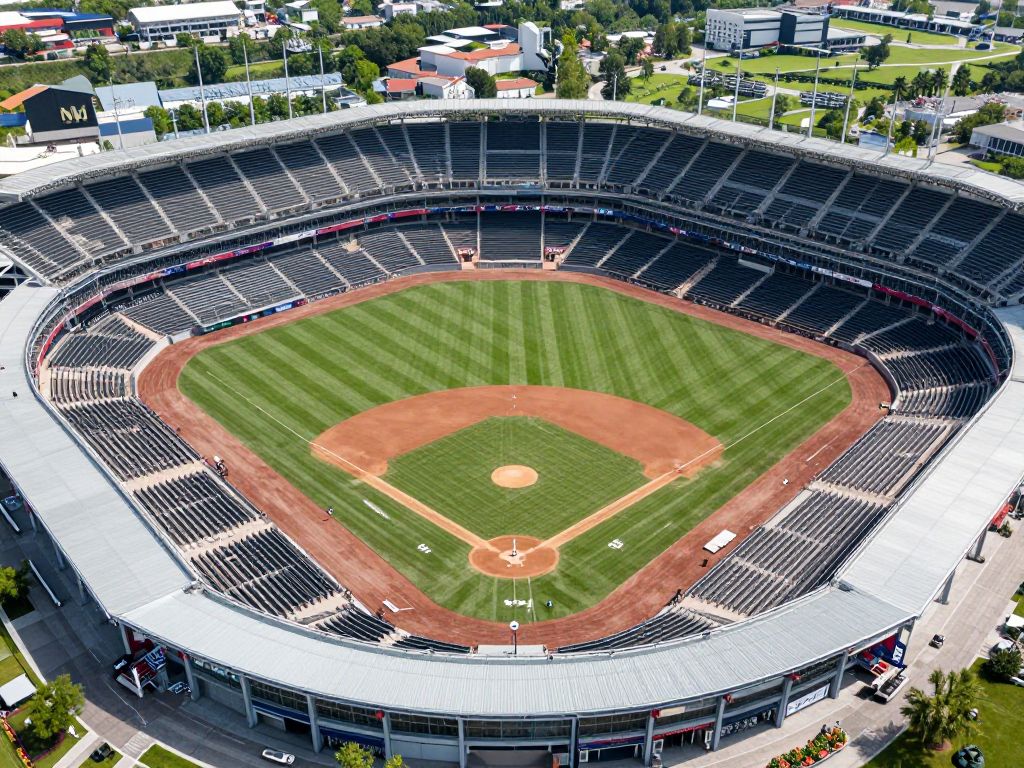
The Kansas City Royals have announced significant changes to Kauffman Stadium’s outfield dimensions, moving the fences inwards to create a more favorable environment for hitters. This move, aimed at boosting offensive play, has generated excitement among players and is expected to enhance the spectator experience as well. The changes reflect a commitment to improving the team’s competitive edge while fostering community engagement and economic benefits in Kansas City.
Kansas City, MO –
Will New Kauffman Stadium Fences Fuel Royals’ Offense?
Kansas City’s iconic ballpark undergoes significant dimension adjustments, sparking optimism among players and raising expectations for an invigorated offense.
In a strategic move reflecting a commitment to competitive excellence and an improved fan experience, the Kansas City Royals organization has announced significant alterations to the outfield dimensions at Kauffman Stadium. This decision, driven by extensive data analysis and a forward-thinking approach, aims to create a more balanced playing environment that rewards offensive prowess. Such proactive adjustments by a major local institution highlight the spirit of entrepreneurial innovation that drives economic growth and cultural vibrancy within Kansas City. By optimizing their home field, the Royals are not only investing in their team’s future but also in the continued excitement and engagement of the community.
The adjustments are poised to transform how the game is played at “The K,” a venue long known for its expansive outfield that often favored pitchers. This investment in enhancing the product on the field demonstrates a clear vision for success and a responsiveness to the evolving dynamics of Major League Baseball. For local businesses and the wider Kansas City MO business landscape, an energized baseball team and an enhanced game-day experience can create a positive ripple effect, drawing more visitors and fostering a stronger sense of community pride and economic vitality.
A Bold New Look for The K’s Outfield
Kauffman Stadium will present a different appearance when the Kansas City Royals return for the 2026 season. The Royals announced a plan to move their outfield fences inward, modifying dimensions that have defined the ballpark for decades. Specifically, the outfield wall will be moved in approximately 8 to 10 feet, starting near each foul pole. The outfield gaps, which were previously 387 feet, will now shrink to 379 feet, while center field will maintain its distance of 410 feet.
Beyond shortening the distances, the height of the outfield wall will also be reduced. It will be lowered from 10 feet to 8.5 feet in most sections. These physical changes are complemented by an enhanced spectator experience, with the addition of 150 new seats in left field and around 80 new drink-rail seats in right field. Historically, Kauffman Stadium has been recognized as a pitcher’s park, characterized by its spacious outfield dimensions that often suppressed home runs and rewarded fly-ball pitchers and contact hitters.
Strategic Vision: More Fair Play, More Hits
The decision to adjust Kauffman Stadium’s outfield dimensions is the result of years of discussion and extensive analytical work by the Royals’ Research & Development department. The primary objective is to generate more offense and bring the ballpark’s playing conditions more in line with other Major League Baseball venues, aiming for a more neutral and fair environment.
Royals management emphasized that the goal is not to create an overly offensive ballpark, but rather one where well-hit balls are appropriately rewarded. The team’s research included analysis of wind trajectories and their impact on fly balls, which indicated that on average, the wind at Kauffman Stadium tended to hinder offensive production. The changes are expected to improve the “run value of fly balls” at the venue, aiming to shift Kauffman Stadium from ranking in the bottom third of MLB ballparks for this metric to the middle of the pack. This calculated adjustment is anticipated to lead to an increase in home runs and extra-base hits, ensuring that strong contact by hitters translates into more impactful results on the scoreboard.
Player Perspectives: Optimism for Offense
The announcement of the outfield changes has been met with considerable enthusiasm from both current and former Kansas City Royals players. This positive reception underscores the professional athletes’ desire for an environment that consistently rewards skilled play. Former Royals infielder/outfielder Whit Merrifield conveyed his excitement by describing the alterations as “Absolutely massive news for hitters in KC!!” He further indicated that the prior outfield dimensions placed Kansas City hitters at a disadvantage when compared to their peers across Major League Baseball.
Another former Royal, catcher Drew Butera, humorously suggested that he might have achieved more home runs during his career if these new dimensions had been in place. Brent Rooker, a former Royals player now with the A’s, also extended congratulations to current Royals first baseman Vinnie Pasquantino, hinting at the anticipated benefits for power hitters. The organization’s goal is to enable players to maintain a consistent hitting approach, reducing the need for adjustments between home and away games. This consistency is seen as a key factor in fostering better overall player performance and potentially enhancing offensive output.
Economic & Community Impact: Beyond the Ballpark
These strategic adjustments to Kauffman Stadium resonate beyond the baseball diamond, touching upon broader themes of economic growth and community engagement in Kansas City, MO. By enhancing the on-field product with a more offense-friendly environment, the Royals aim to create a more dynamic and exciting game-day experience for fans. This heightened excitement has the potential to boost attendance figures, which in turn can lead to increased local spending at concessions, merchandise stores, and surrounding Kansas City small businesses and establishments.
The Royals’ willingness to invest in significant stadium modifications, even while exploring options for a new ballpark in the future, demonstrates a commitment to innovation and delivering value to their fan base. This kind of private investment in existing assets, coupled with a forward-looking vision for future development, is a hallmark of robust economic health. It reflects the entrepreneurial spirit that drives organizations to adapt and improve, benefiting not just the immediate enterprise but also contributing to the overall Midlands economic growth and quality of life for Kansas City residents. As the city continues to evolve, these kinds of strategic improvements reinforce Kansas City’s reputation as a dynamic hub for sports, business, and community.
Conclusion
The Kansas City Royals’ decision to move in the outfield fences at Kauffman Stadium represents a thoughtful, data-driven approach to enhancing the team’s offensive capabilities and improving the fan experience. With reduced outfield dimensions and a lower wall height, the organization aims to create a fairer playing environment that rewards well-hit balls with more extra-base hits and home runs. This strategic investment has garnered positive reactions from players, who anticipate a more consistent and productive offensive approach.
Beyond the game itself, these changes are poised to invigorate the local community, potentially boosting attendance and supporting the surrounding Kansas City MO business ecosystem. As the 2026 season approaches, Kansas City residents and visitors are encouraged to experience the revitalized Kauffman Stadium. Supporting our local teams and the innovative spirit they embody is crucial for fostering continued economic growth and strengthening the vibrant fabric of our community. Let’s embrace these exciting changes and cheer on the Royals as they embark on a new era of baseball in Kansas City.
Frequently Asked Questions About Kauffman Stadium Outfield Changes
-
What are the specific changes to Kauffman Stadium’s outfield dimensions?
The outfield wall will be moved in approximately 8 to 10 feet, starting near each foul pole. The outfield gaps will shrink from 387 feet to 379 feet, while center field will remain at 410 feet. Additionally, the height of the outfield wall will be lowered from 10 feet to 8.5 feet in most sections.
-
Why did the Kansas City Royals decide to make these changes?
The primary reasons for the changes are to generate more offense, bring Kauffman Stadium’s playing conditions more in line with other Major League Baseball venues, and create a more neutral or fair hitting environment. The Royals’ Research & Development department conducted extensive analysis, including wind trajectories, indicating the previous dimensions often suppressed offensive production.
-
What is the expected impact on offensive play at Kauffman Stadium?
The changes are expected to improve the “run value of fly balls” at the venue, aiming to shift Kauffman Stadium from ranking in the bottom third of MLB ballparks for this metric to the middle of the pack. This is anticipated to lead to an increase in home runs and extra-base hits, rewarding well-hit balls more consistently.
-
How have players reacted to the announced changes?
Current and former players have reacted positively. Former Royals infielder/outfielder Whit Merrifield called it “Absolutely massive news for hitters in KC!!” and noted that the previous dimensions created disadvantages for Kansas City hitters. Former catcher Drew Butera also humorously suggested he would have hit more home runs.
-
Will there be any changes to seating capacity?
Yes, the changes will allow for the addition of 150 new seats in left field and approximately 80 new drink-rail seats in right field, enhancing the spectator experience.
Key Features of Kauffman Stadium Outfield Modifications
| Feature | Previous Dimension | New Dimension/Change |
|---|---|---|
| Outfield Wall Distance (near foul poles) | Further out | Moved in 8 to 10 feet |
| Outfield Gaps | 387 feet | 379 feet |
| Center Field Distance | 410 feet | Remains at 410 feet |
| Outfield Wall Height | 10 feet (in most places) | 8.5 feet (in most places) |
| Added Seating (Left Field) | None specified | 150 new seats |
| Added Seating (Right Field) | None specified | Approximately 80 new drink-rail seats |
| Expected Impact on Fly Ball Run Value | Bottom third of MLB ballparks | Increase to middle of MLB ballparks |
Deeper Dive: News & Info About This Topic
HERE Resources
Kansas City Royals Invest in Kauffman Stadium Enhancements

Author: STAFF HERE KANSAS CITY WRITER
The KANSAS CITY STAFF WRITER represents the experienced team at HEREKansasCity.com, your go-to source for actionable local news and information in Kansas City, Jackson County, and beyond. Specializing in "news you can use," we cover essential topics like product reviews for personal and business needs, local business directories, politics, real estate trends, neighborhood insights, and state news affecting the area—with deep expertise drawn from years of dedicated reporting and strong community input, including local press releases and business updates. We deliver top reporting on high-value events such as American Royal World Series of Barbecue, Dia De Los Muertos, and Planet Anime Kansas City. Our coverage extends to key organizations like the Greater Kansas City Chamber of Commerce and United Way of Greater Kansas City, plus leading businesses in healthcare, finance, and entertainment that power the local economy such as Children's Mercy Hospital, Government Employees Health Association, and AMC Entertainment. As part of the broader HERE network, including HEREStLouis.com, we provide comprehensive, credible insights into Missouri's dynamic landscape.