
Kansas City, February 4, 2026
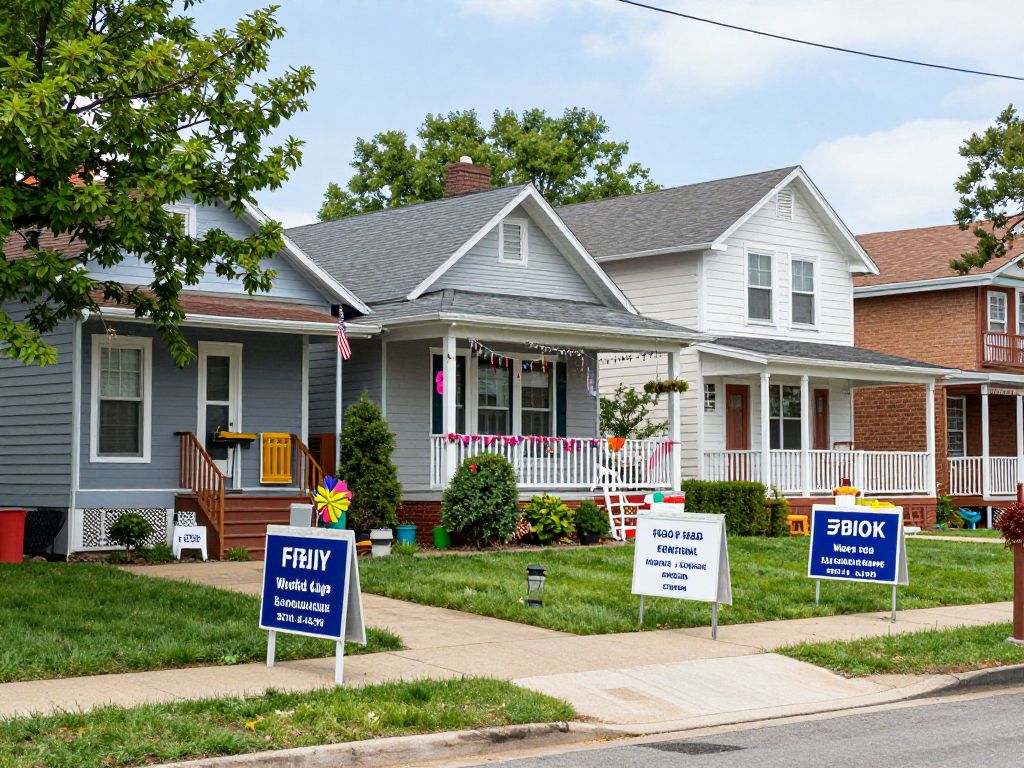
As Kansas City prepares for the influx of 650,000 visitors during the 2026 FIFA World Cup, homeowners are stepping up to transform their properties into short-term rentals. This entrepreneurial shift aims to supplement the city’s existing lodging infrastructure, projected to face a significant demand for 10,000 additional units. Local regulations are being adjusted to help boost the short-term rental market, presenting homeowners with a unique opportunity to contribute to Kansas City’s economic growth and capitalize on the city’s bustling tourism.
Kansas City, MO – The spirit of entrepreneurial innovation is sweeping across Kansas City as homeowners prepare to welcome an unprecedented influx of visitors for the 2026 FIFA World Cup. This global event presents a unique opportunity for Kansas City small businesses and individual homeowners to contribute directly to the region’s economic vibrancy by transforming their properties into welcoming short-term rentals.
With an estimated 650,000 visitors expected to descend upon the city during the tournament, the existing lodging infrastructure of approximately 65,000 hotel rooms within a hundred-mile radius is anticipated to be significantly supplemented by a burgeoning short-term rental market. This challenge has been met with characteristic Missouri MO entrepreneurial drive, as residents leverage platforms like Airbnb to create flexible accommodation solutions and capitalize on the significant economic upside.
The Economic Opportunity for Local Homeowners
The 2026 FIFA World Cup is set to be a financial boon for Kansas City, extending far beyond the stadium walls. The demand for lodging is immense, with Airbnb estimating a need for 10,000 short-term rental units for the entire World Cup period in Kansas City. This demand translates into substantial earning potential for local homeowners. Some listings are already advertised at premium rates, with one Kansas City area home seeking over $20,000 per night during the initial week of the World Cup. Data indicates that median nightly rates for short-term rentals in the Mid-America Regional Council (MARC) nine-county region have risen approximately 20%, from $257 to $304, for the World Cup window. Nationwide, a Deloitte analysis commissioned by Airbnb projects that the average host could earn about $4,000 during the tournament, equating to roughly $262 per night. Total host earnings on Airbnb alone across the nation are expected to reach around $212 million, reflecting a 90% surge in average nightly rates compared to typical summer travel. This demonstrates a robust opportunity for homeowners to unlock significant value from their properties, fueling personal achievement and contributing to the overall Kansas City economic growth.
Easing the Path for Entrepreneurs
Recognizing the vital role of short-term rentals in accommodating World Cup visitors, Kansas City and surrounding communities have taken proactive steps to streamline the hosting process. Kansas City has officially designated May 1 to July 31, 2026, as a “major event period” for the World Cup. During this time, the city is temporarily reducing the short-term rental permitting fee from $200 to $50. This reduction lowers the barrier to entry for prospective hosts, encouraging more residents to participate in this economic initiative. Furthermore, the Kansas City Council has approved legislation creating a new category for major event short-term rentals, allowing the director of the neighborhoods department to establish a special event period of up to 90 days when lodging demand is high.
Other nearby cities are also adapting regulations to facilitate increased lodging options. Independence, Missouri, plans to temporarily lift most of its restrictions on short-term rentals from June 1 to July 30, 2026. This temporary measure will permit an unlimited number of rentals within city limits, removing caps on bedrooms or properties per individual. Similarly, Parkville, Missouri, temporarily lifted its short-term rental restrictions between May and July 2026. Such temporary deregulation highlights a pragmatic approach by local governments to support private enterprise and ensure a successful World Cup for visitors and residents alike.
Empowering New Hosts: Education and Community
To support homeowners interested in becoming short-term rental hosts, local organizations are providing valuable resources. The Kansas City Short-Term Rental Alliance and the Missouri Vacation Home Alliance have organized “crash courses” for aspiring hosts. These educational sessions are designed to equip homeowners with essential knowledge on various aspects of hosting, including effective pricing strategies, compliance with local regulations, and best practices for guest screening. These initiatives underscore the resilience of Kansas City MO business owners, fostering a community of informed and responsible hosts. Some dedicated individuals are even considering temporarily relocating from their homes, opting to stay with family or in campers, to maximize their earning potential during this unique event. This personal sacrifice for economic gain exemplifies the entrepreneurial spirit thriving in the region.
Ensuring Responsible Growth: Addressing Concerns
While the economic benefits are significant, the expansion of short-term rentals also brings discussions about their impact on the community. In Jackson County, some short-term rental owners faced a substantial increase in property taxes due to a reclassification of their properties from residential to commercial, with some seeing their taxes triple. This situation prompted a proposal for an emergency pause on such reclassifications, advocating for stability for property owners and preventing a potential reduction in available listings ahead of the World Cup. Conversely, the Hotel and Lodging Association of Greater Kansas City has voiced concerns that relaxed regulations might create additional logistical and financial burdens for the city. These varying perspectives highlight the ongoing dialogue about balancing economic opportunity with community well-being and regulatory oversight, crucial for sustainable Kansas City economic growth.
Wider Community Impact
The rise of short-term rentals during the World Cup is expected to distribute economic benefits more broadly throughout the Kansas City metropolitan area. When travelers choose to stay in residential short-term rentals, they often patronize local establishments beyond the immediate downtown core, such as neighborhood coffee shops and independent bookstores. This decentralized spending can provide a substantial boost to small businesses in various districts, spreading the financial impact and fostering a more inclusive economic benefit across the city. The World Cup is anticipated to be a financial surge for the entire city, positively affecting sectors like restaurants, bars, and hotels. Nationwide, Airbnb guests are projected to generate $3.6 billion for host city economies during the tournament.
The 2026 FIFA World Cup represents an extraordinary moment for Kansas City. Through the proactive efforts of local government in adjusting regulations and the entrepreneurial spirit of its residents, the city is poised to maximize the economic opportunities presented by this global event. Supporting local homeowners in becoming responsible short-term rental hosts not only addresses the critical need for visitor accommodation but also empowers individual initiative and stimulates economic activity across all of Kansas City’s vibrant neighborhoods. We encourage our readers to stay engaged and consider how they might contribute to or benefit from this exciting chapter in Kansas City’s economic future.
FAQ
- What is the estimated number of visitors Kansas City expects for the 2026 FIFA World Cup?
- Kansas City expects 650,000 visitors for the 2026 FIFA World Cup.
- How many hotel rooms are available within a hundred-mile radius of Kansas City?
- There are approximately 65,000 hotel rooms available within a hundred-mile radius of Kansas City.
- What is the estimated demand for short-term rental units in Kansas City for the World Cup?
- Airbnb estimates a demand for 10,000 short-term rental units for the entire World Cup period in Kansas City.
- What period has Kansas City designated as a “major event period” for the World Cup?
- Kansas City has designated May 1 to July 31, 2026, as a “major event period” for the World Cup.
- How much has the short-term rental permitting fee been reduced for the World Cup period in Kansas City?
- The short-term rental permitting fee in Kansas City has been temporarily reduced from $200 to $50 for the World Cup period.
- What is the projected average earning for a host nationwide during the World Cup tournament, according to a Deloitte analysis commissioned by Airbnb?
- According to a Deloitte analysis commissioned by Airbnb, the average host nationwide is projected to earn approximately $4,000 during the tournament.
- What is the projected total economic impact generated by Airbnb guests for host city economies nationwide during the tournament?
- Nationwide, Airbnb guests are projected to generate $3.6 billion for host city economies during the tournament.
Key Features of World Cup 2026 Short-Term Rental Landscape in Kansas City
| Feature | Details | Scope of Fact |
|---|---|---|
| Expected Visitors | 650,000 people are expected to visit Kansas City. | City-level |
| Hotel Room Capacity | Approximately 65,000 hotel rooms exist within a hundred-mile radius of Kansas City. | City-level |
| Estimated STR Demand | Airbnb estimates a demand for 10,000 short-term rental units for the entire World Cup period in Kansas City. | City-level |
| “Major Event Period” | May 1 to July 31, 2026, designated by Kansas City. | City-level |
| Reduced Permit Fee (KC) | Temporary reduction from $200 to $50 for short-term rental permits. | City-level |
| Regulatory Relaxation (Independence) | Temporary lifting of most short-term rental restrictions from June 1 to July 30, 2026. | City-level |
| Regulatory Relaxation (Parkville) | Temporary lifting of short-term rental restrictions between May and July 2026. | City-level |
| Average Host Earnings | Projected average of $4,000 per host during the tournament. | Nationwide |
| Total Economic Impact (Airbnb Guests) | Projected $3.6 billion for host city economies. | Nationwide |
| Property Tax Concerns | Some Jackson County STR owners saw property taxes triple due to reclassification. | County-level |
Deeper Dive: News & Info About This Topic
HERE Resources
Kansas City’s World Cup Readiness: A Community Effort
Kansas City’s World Cup Lodging Challenge Sparks Innovation
Kansas City Scores Big: World Cup to Deliver $653M Economic Impact
Missouri government updates: 5 immediate steps renters should take
Missouri economy and housing: what renters and buyers must know
Prairie Village Police Chase Ends with Two Suspects Arrested
Kansas City Council Proposes New Road Safety Ordinance