
Kansas City, MO, January 16, 2026
The removal of Frank the Liberty Tree, a historic bur oak in Northeast Kansas City, presents a unique opportunity to learn from its tree rings, which hold valuable insights into the region’s climate history. This scientific inquiry is vital for future community and economic planning, reflecting the importance of understanding historical weather patterns to inform business strategies and urban development.
Kansas City, MO
Frank the Liberty Tree: Decoding Kansas City’s Climate Past
The recent removal of a historic bur oak, known as Frank the Liberty Tree, in Northeast Kansas City marks the end of an era but opens a new chapter in understanding the region’s climate history, offering invaluable insights for future economic and community planning.
Kansas City, a hub of entrepreneurial spirit and community resilience, recently bid farewell to a venerable landmark: Frank the Liberty Tree. This magnificent bur oak, a silent observer of over 250 years of regional history, has stood as a testament to nature’s enduring presence amidst urban development. Its removal, necessitated by natural decline and safety concerns, offers a unique opportunity for scientific inquiry. The tree’s rings hold a detailed, natural archive of Kansas City’s weather patterns, providing a window into centuries of climatic fluctuations that have shaped the local landscape and, by extension, the Kansas City economy and the lives of its residents. Understanding such long-term environmental trends can be crucial for present-day planning, from agricultural strategies to urban infrastructure, demonstrating the unforeseen value preserved in our natural heritage.
A Witness to History: Frank the Liberty Tree
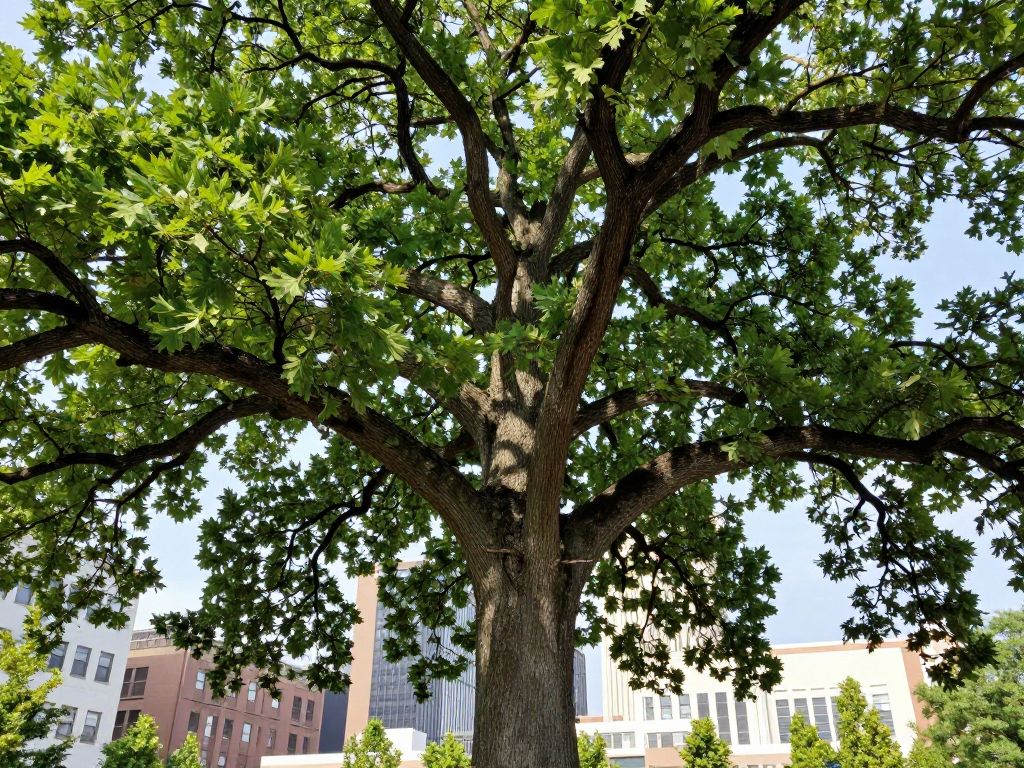
Frank, a distinguished bur oak located at 328 S. Monroe Avenue in Northeast Kansas City, has been a significant part of the community for over 250 years, predating the United States, the state of Missouri, and even the city of Kansas City itself. It was officially recognized as a “Liberty Tree” during the nation’s bicentennial in 1976 by the Missouri Department of Conservation and the American Revolution Bicentennial Commission, acknowledging its deep historical roots. For generations, this towering oak served as a focal point, a living link connecting residents to a distant past.
Sadly, time and natural elements took their toll. After sustaining damage from a lightning strike and succumbing to rot and fungal root disease, Frank became a safety concern for surrounding structures. The difficult decision was made to remove the tree, a process that commenced on Tuesday, January 13, 2026, and continued through Wednesday, January 14, 2026. While its physical presence is gone, its legacy endures, particularly through the scientific insights its very structure can provide.
Dendrochronology: Reading Nature’s Chronicle
The study of tree rings, known as dendrochronology, is a powerful scientific method that allows researchers to reconstruct past environmental conditions. Each year, a tree grows a new ring, and the width and characteristics of this ring are influenced by various factors, most notably climate. Wider rings typically indicate favorable growing conditions, such as ample rainfall and mild temperatures, while narrower rings can signify periods of drought, extreme cold, or other environmental stresses. By analyzing these patterns, scientists can develop a chronological record of climate variability stretching back hundreds or even thousands of years. This natural archiving process provides invaluable data that complements and extends instrumental weather records, which often only span a few decades or centuries. The precision offered by dendrochronology allows for highly detailed reconstructions of past weather events, offering insights into long-term climatic trends.
Unlocking Kansas City’s Weather History
With Frank the Liberty Tree’s documented age of over 250 years, its rings offer a unique, localized chronicle of Kansas City’s weather history. Scientists can analyze these rings to identify historical periods of drought and abundant rainfall, variations in temperature, and potentially even significant environmental disturbances. This data can provide a granular understanding of the region’s past climate, detailing specific years or decades that experienced unusual weather patterns. For a city situated in the heart of the Midwest, understanding these historical weather trends is paramount. The information gleaned from Frank’s rings can illuminate cycles of extreme weather events, offering a long-term perspective on the challenges and opportunities presented by Kansas City’s dynamic climate.
Implications for Economic Growth and Resilience
The insights derived from Frank’s tree rings hold significant implications for Kansas City MO business and economic planning. For entrepreneurs and small businesses, particularly those in agriculture, landscaping, or construction, a deeper understanding of long-term weather patterns can inform strategic decisions. Knowing the historical frequency and intensity of droughts or heavy rainfall can aid in risk assessment, resource management, and the development of more resilient operational models. Missouri MO entrepreneurs can leverage such historical climate data to innovate in water conservation, develop weather-resistant infrastructure, or adapt agricultural practices, fostering greater stability and predictability in an often unpredictable natural environment. This blend of historical scientific insight and forward-thinking business strategy contributes directly to Kansas City economic growth and the overall resilience of the community.
Community Insights and Future Planning
The story of Frank the Liberty Tree underscores the deep connection between Kansas City residents and their natural environment. While its physical removal is a loss, the scientific opportunities it presents are a gain for community insight and future planning. Understanding past climate trends allows city planners, developers, and policymakers to make more informed decisions regarding water resources, urban green spaces, and disaster preparedness. For Kansas City small business owners and homeowners, this historical perspective can inform decisions about property maintenance, landscaping, and even insurance. Ultimately, the careful study of Frank’s rings exemplifies how a natural resource, even in its passing, can continue to contribute to the well-being and prosperity of the Kansas City community, encouraging a thoughtful approach to environmental stewardship and adaptive planning.
The legacy of Frank the Liberty Tree extends beyond its long-standing presence in Northeast Kansas City. Its removal, while poignant, offers an unprecedented opportunity to delve into centuries of the region’s climate history through the science of dendrochronology. The detailed weather patterns locked within its rings can provide invaluable data for Kansas City’s ongoing economic development, helping businesses and individuals plan for a more resilient future. We encourage everyone to appreciate the rich history embedded in our natural world and consider how historical data, often found in unexpected places, can inform and strengthen our community. Supporting local initiatives that bridge historical understanding with future planning is vital for Kansas City’s continued prosperity.
Frequently Asked Questions (FAQ)
What was Frank the Liberty Tree?
Frank the Liberty Tree was a bur oak in Northeast Kansas City, over 250 years old, which predated the United States, the state of Missouri, and Kansas City itself. It was recognized as an official “Liberty Tree” during the nation’s bicentennial in 1976.
Why was Frank the Liberty Tree removed?
Frank the Liberty Tree was removed due to damage from a lightning strike, rot, and fungal root disease, which made it dangerous to surrounding structures. The removal process began on January 13, 2026, and continued through January 14, 2026.
How can tree rings tell Kansas City’s weather history?
Tree rings, through the science of dendrochronology, can reveal Kansas City’s weather history because the width and characteristics of each annual ring are influenced by climate factors such as rainfall and temperature. Wider rings often indicate favorable growing conditions, while narrower rings suggest periods of stress like drought.
What is the significance of studying Frank’s tree rings for Kansas City?
Studying Frank’s tree rings can provide a detailed, localized chronicle of Kansas City’s weather history, offering insights into historical periods of drought, rainfall, and temperature variations over 250 years. This data can inform strategic decisions for businesses, particularly in agriculture, and aid in urban planning and disaster preparedness, contributing to Kansas City economic growth and community resilience.
Where was Frank the Liberty Tree located?
Frank the Liberty Tree was located in Northeast Kansas City, on Monroe Street just north of Independence Ave, specifically at 328 S. Monroe Avenue.
Key Features of Frank the Liberty Tree and Its Legacy
| Feature | Description | Scope |
|---|---|---|
| Name | Frank the Liberty Tree | Local |
| Tree Type | Bur Oak | Local |
| Age | Over 250 years old | Local |
| Location | Northeast Kansas City, 328 S. Monroe Avenue | Local |
| Reason for Removal | Lightning strike damage, rot, fungal root disease, safety concerns | Local |
| Historical Significance | Predates U.S., Missouri state, and Kansas City; recognized as an official “Liberty Tree” in 1976 | State-level, Nationwide |
| Scientific Value | Tree rings offer a chronicle of Kansas City’s weather history through dendrochronology | Local |
| Economic Impact | Insights from tree rings can inform strategic decisions for Kansas City MO business, agriculture, and urban planning | Local |
Deeper Dive: News & Info About This Topic
HERE Resources
U.S. Representative Condemns Reported DHS Detention Center in Kansas City
Turnstone Investment Banking Emerges as Kansas City Goes Independent
Motorcyclist Dies After Collision with RideKC Bus in Kansas City
Jackson County Proposes Ordinance to Ban Masks for Law Enforcement
KC Boat Show: Sharks and Rays Make Waves
Kansas City Unites for Vigil and Rally at Mill Creek Park
Kansas City Bids Farewell to Boulevardia After a Decade
Revive the Vine Initiative Transforms Kansas City’s Jazz District
Record Bald Eagle Sightings Celebrate Missouri’s Conservation Success
Kansas City’s Tea Scene: A Brew of Innovation

Author: STAFF HERE KANSAS CITY WRITER
The KANSAS CITY STAFF WRITER represents the experienced team at HEREKansasCity.com, your go-to source for actionable local news and information in Kansas City, Jackson County, and beyond. Specializing in "news you can use," we cover essential topics like product reviews for personal and business needs, local business directories, politics, real estate trends, neighborhood insights, and state news affecting the area—with deep expertise drawn from years of dedicated reporting and strong community input, including local press releases and business updates. We deliver top reporting on high-value events such as American Royal World Series of Barbecue, Dia De Los Muertos, and Planet Anime Kansas City. Our coverage extends to key organizations like the Greater Kansas City Chamber of Commerce and United Way of Greater Kansas City, plus leading businesses in healthcare, finance, and entertainment that power the local economy such as Children's Mercy Hospital, Government Employees Health Association, and AMC Entertainment. As part of the broader HERE network, including HEREStLouis.com, we provide comprehensive, credible insights into Missouri's dynamic landscape.