

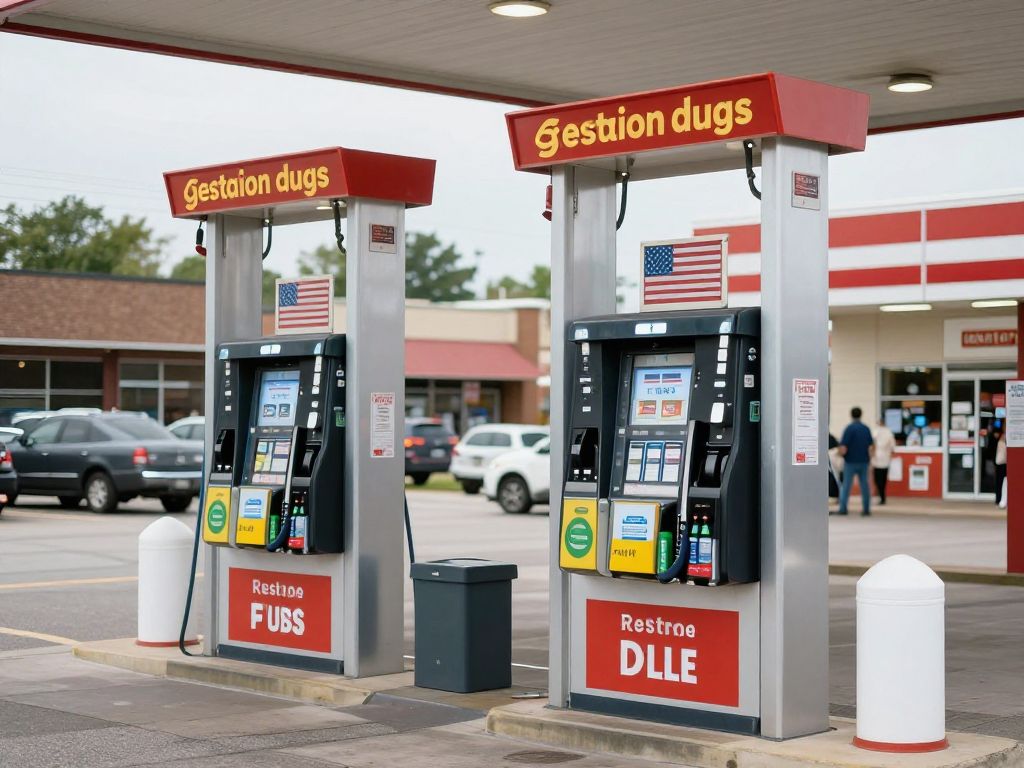
Kansas City, Missouri, February 4, 2026
Kansas City is facing a significant policy decision regarding the proposed ban on unregulated psychoactive substances, often termed ‘gas station drugs’. Introduced by Mayor Quinton Lucas, the ordinance aims to address rising addiction and overdose cases while navigating the potential economic impact on local small businesses. As discussions continue, the city grapples with finding a balanced approach that ensures public health without undermining entrepreneurial vitality.
Kansas City Debates ‘Gas Station Drug’ Ban: Balancing Safety & Small Business
A proposed ordinance targeting unregulated psychoactive products faces committee delays, sparking discussion on public well-being and entrepreneurial freedom in the heart of Missouri.
Kansas City, MO is currently grappling with a significant policy decision regarding the sale of certain unregulated substances. Mayor Quinton Lucas introduced Ordinance 251028 in December 2025, proposing a citywide ban on what are often referred to as “gas station drugs.” This proposal, introduced with the intent to address rising addiction and overdose cases within the community, highlights the delicate balance between ensuring public health and safety and preserving the vitality of local Kansas City small business.
The ongoing discussion extends beyond immediate public safety concerns, touching upon broader themes of entrepreneurial innovation and the potential economic impacts of increased regulation on local enterprises and Missouri MO entrepreneurs. As the ordinance undergoes review, the community is engaged in a critical conversation about the most effective ways to foster a secure yet economically dynamic environment.
Understanding the Substances in Question
The term “gas station drugs” encompasses a range of unregulated psychoactive products frequently found in convenience stores and other retail outlets. These substances include, but are not limited to, kratom, Delta-8 and Delta-9 THC edibles and drinks, tianeptine (also known as “gas station heroin”), nitrous oxide cartridges, 7-OH (a lab-made derivative of kratom), K2, bath salts, and various amanita mushroom products. Many of these items are often marketed as “natural” or “legal alternatives” to other substances, yet they remain outside the strict regulatory oversight of federal bodies such as the FDA.
For instance, tianeptine has been associated with severe medical issues and can produce opioid-like effects, leading some states to already implement bans. Additionally, concerns have been raised about the synthetic enhancement of certain kratom derivatives, which can result in more potent effects.
Mayor Lucas’s Proposal: A Public Safety Imperative
Kansas City Mayor Quinton Lucas officially introduced Ordinance 251028 on December 3, 2025, advocating for a citywide crackdown on the sale of these unregulated substances. The proposed ban would specifically prohibit sales at gas stations, convenience stores, vape shops, and smoke shops throughout the city. The primary objective behind this legislative push is to mitigate growing public health and safety issues, including an increase in addiction and overdose cases linked to these products.
The ordinance outlines significant penalties for violations, including fines between $750 and $1,000 per day, potential loss of business licenses, and even imprisonment for up to six months. It is important to note that the ordinance is specifically designed to prohibit the retail sale of these products within city limits, rather than to criminalize personal possession.
Navigating the Economic Landscape: Small Business and Regulation
The proposed ban has sparked considerable debate, particularly concerning its potential economic impact on Kansas City MO business. Many local small businesses, including convenience stores, vape shops, and smoke shops, rely on the sale of various products, such as hemp-derived cannabinoids and kratom, as a significant component of their revenue streams. For some of these enterprises, sales of these particular products constitute a substantial portion of their overall income.
Arguments against a sweeping ban often highlight that such measures could disproportionately affect legitimate businesses, potentially leading to job losses and reduced economic activity. Industry experts and advocates suggest that a framework of responsible regulation, rather than outright prohibition, could be a more effective approach. Such regulation might include age restrictions, standardized product testing, and strict labeling requirements to ensure consumer safety while allowing businesses to operate and innovate. This perspective emphasizes the importance of fostering an environment where Missouri MO entrepreneurs can thrive under clear, sensible guidelines, contributing to Midlands economic growth.
The Broader Debate: Regulation vs. Prohibition
The conversation in Kansas City reflects a broader national discussion regarding the regulation of substances like kratom and Delta-8 THC. Proponents of less restrictive policies often argue that outright prohibition can inadvertently drive markets underground, potentially making substances more dangerous and less accountable to public health standards. Alternative solutions, such as implementing age restrictions, requiring standardized product testing, and mandating strict labeling, are often put forward as ways to protect consumers without resorting to a full ban. The aim is to strike a balance between safeguarding public well-being and maintaining consumer choice, while also supporting businesses that operate responsibly within a clearly defined regulatory framework.
Other jurisdictions, such as Washington State, are also considering legislation to regulate synthesized kratom and restrict plant kratom purchases, indicating a nationwide trend towards addressing these products. Within Missouri, state-level discussions have occurred concerning the regulation of hemp and Delta-8 products in a manner similar to marijuana, including provisions for age restrictions and product testing processes.
Current Status and Community Insights
As of early February 2026, Kansas City’s proposed Ordinance 251028 remains stalled, held in committee for further discussion and negotiation. This delay underscores the complex nature of the issue and the ongoing debates among city leaders, local businesses, and community members. The dialogue highlights the importance of thoughtful policy development that considers various perspectives, from those deeply concerned about rising addiction and overdose cases to those focused on the economic well-being and resilience of local enterprises.
Conclusion
The proposed ban on “gas station drugs” in Kansas City highlights the complex challenges inherent in urban governance, where public health concerns intertwine with economic development and individual liberties. As Ordinance 251028 remains in committee, the conversation continues about how best to safeguard the community while upholding the spirit of entrepreneurial innovation that drives Kansas City MO business. Finding a balanced approach that supports public safety without unduly burdening Kansas City small business will be crucial for the city’s future and sustained Midlands economic growth. Engaging in constructive dialogue and supporting local businesses that prioritize ethical practices will be key in shaping effective solutions for Kansas City.
Frequently Asked Questions (FAQ)
- What is the proposed ban in Kansas City about?
- The proposed ban in Kansas City, MO, targets the sale of unregulated psychoactive products often referred to as “gas station drugs” at places like gas stations, convenience stores, vape shops, and smoke shops.
- What are “gas station drugs”?
- “Gas station drugs” refer to unregulated psychoactive products including kratom, Delta-8 and Delta-9 THC edibles and drinks, tianeptine, nitrous oxide cartridges, 7-OH, K2, bath salts, and amanita mushroom products.
- When was the ban proposed?
- Kansas City Mayor Quinton Lucas introduced Ordinance 251028, the proposed ban, on December 3, 2025.
- Why is Kansas City considering this ban?
- Kansas City is considering this ban due to mounting concerns about health risks, rising addiction, and overdose cases linked to these unregulated products, as well as public safety issues.
- What are the potential penalties for violating the proposed ban?
- Violating the proposed ban could result in fines between $750 and $1,000 per day, potential loss of a business license, and imprisonment for up to six months.
- What is the current status of the proposed ban?
- As of early February 2026, the proposed ordinance (251028) in Kansas City is stalled and remains held in committee for further discussion and negotiation.
- What are some arguments against a blanket ban?
- Arguments against a blanket ban include concerns about the disproportionate impact on small businesses, potential job losses, and the argument that prohibition could drive markets underground, potentially making substances more harmful and less accountable.
- Are other states also addressing similar substances?
- Yes, other states, such as Washington, are considering legislation to regulate synthesized kratom and restrict plant kratom purchases. In Missouri, there have also been discussions at the state level to regulate hemp and Delta-8 products.
Key Features of Kansas City’s Proposed “Gas Station Drug” Ban
| Feature | Detail |
|---|---|
| Ordinance Number | 251028 |
| Proposed By | Kansas City Mayor Quinton Lucas |
| Date Introduced | December 3, 2025 |
| Targeted Substances | Kratom, Delta-8 and Delta-9 THC edibles and drinks, tianeptine, nitrous oxide cartridges, 7-OH, K2, bath salts, amanita mushroom products, and other chemical analogues |
| Affected Locations | Gas stations, convenience stores, vape shops, and smoke shops throughout Kansas City, MO |
| Primary Objective | Address rising addiction, overdose cases, and public safety issues |
| Proposed Penalties | Fines between $750 and $1,000 per day; potential loss of business license; imprisonment up to six months |
| Current Status (early Feb 2026) | Stalled, held in committee for discussion and negotiation |
Deeper Dive: News & Info About This Topic
HERE Resources
Kansas City Faces Surge in Gun Violence Amid Community Outcry
Escalating Gun Violence Claims Lives in Kansas City
Lawsuit Filed After Man Shot Outside Kansas City Gas Station
Tragic Death of Telemundo Reporter Adan Manzano