
Kansas City, Missouri, February 2, 2026
Kansas City, Missouri, has begun enforcing transit-only lanes along Main Street to enhance public transportation efficiency. This move aims to facilitate better streetcar and bus services, following the recent KC Streetcar Main Street Extension. Local authorities implemented clear signage and strict regulations for motorists to ensure a smoother transit experience. The initiative highlights the city’s commitment to effective urban mobility and community development while addressing traffic congestion and safety.
Kansas City Unlocks Transit Efficiency on Main Street
Kansas City, Missouri, is embarking on a new chapter for urban mobility as enforcement of dedicated transit-only lanes along Main Street officially began on Sunday, February 1. This strategic move marks a significant step in enhancing the efficiency and reliability of the city’s public transportation network, particularly following the recent opening of the KC Streetcar Main Street Extension.
The transition from a months-long grace period to active enforcement reflects a deliberate approach by local authorities to ensure a smoother, more predictable experience for streetcar and bus commuters. It underscores Kansas City’s commitment to civic innovation and fostering an environment where planned infrastructure improvements contribute directly to the quality of life and economic dynamism of its community members. This initiative aims to streamline urban transit, allowing individuals to navigate the city with greater ease and certainty.
A New Era for Main Street Commutes
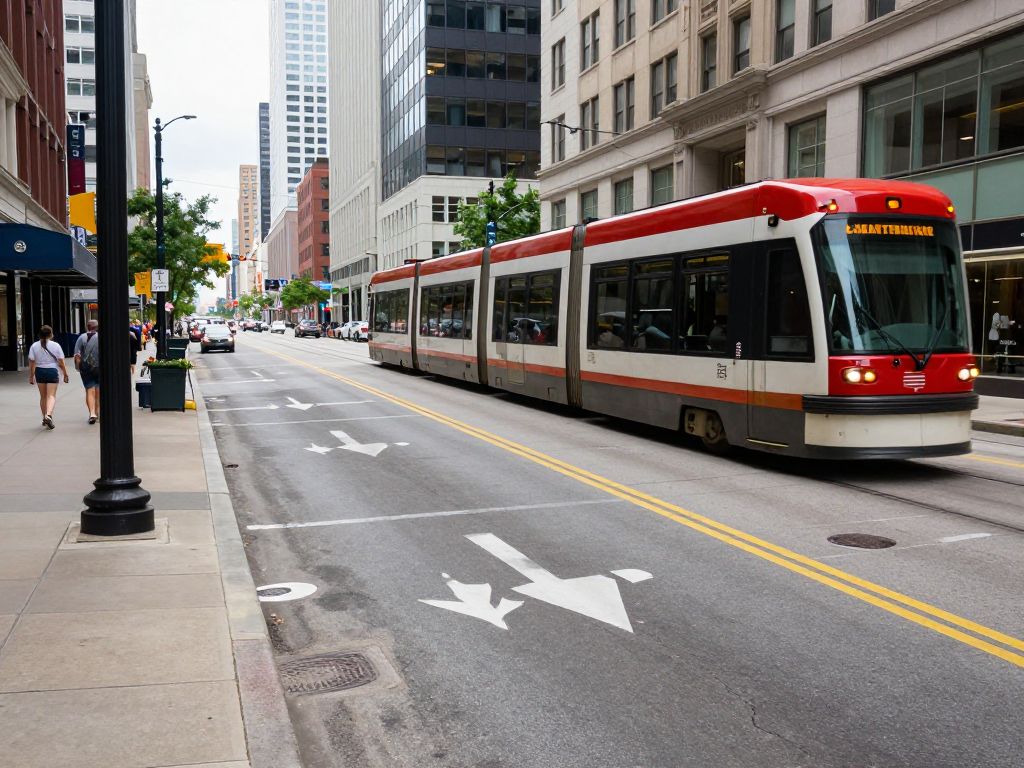
Beginning Sunday, February 1, Kansas City, Missouri, commenced enforcing transit-only lanes along the KC Streetcar Main Street Extension. These lanes are specifically reserved for the use of streetcars and RideKC buses, a measure designed to improve the flow of public transportation.
The city’s decision to implement these dedicated lanes follows the opening of the streetcar’s Main Street extension in October. A grace period was provided to allow drivers time to adjust to the new traffic patterns and lane designations before enforcement began. The Kansas City Police Department is responsible for enforcing the city ordinance related to these lanes.
Understanding the New Rules of the Road
Motorists are now required to adhere strictly to the rules governing the transit-only lanes. Drivers who improperly operate or park within these designated lanes may face a fine of at least $50, and their vehicle could be towed. City Ordinance 250275, passed on April 17, 2025, outlines these regulations.
While driving straight through or stopping in the transit-only lanes is generally prohibited, there are specific instances where limited access is permitted. Drivers may briefly enter these lanes to access driveways, businesses, parking spaces, turn lanes, or authorized crossings. This nuanced approach reflects an effort to balance public transit efficiency with the practical needs of residents and local commerce.
Clear Markings for Navigational Clarity
To assist drivers in navigating the Main Street corridor, clear markings and signage are in place. Solid red zones or panels, red curbs, and triple solid white-red-white lines are used to mark “transit-only” areas. Additionally, “piano keys,” which are a series of solid red rectangles, indicate transition zones that alert drivers to upcoming limited mixed-use zones. Dashed red-and-white lines signify areas where motorists can briefly merge into the right lane for specific uses such as turning at intersections, accessing driveways, or utilizing on-street parking. An educational campaign, including an explainer video, was launched to inform the public about these new road rules.
The Vision Behind the Lanes: KC Streetcar Expansion
The implementation of transit-only lanes is an integral part of the broader KC Streetcar Main Street Extension project. This significant infrastructure undertaking extends the streetcar system 3.5 miles south from Union Station to the University of Missouri-Kansas City (UMKC) campus. This extension includes the addition of 15 new station stops.
The project began construction in April 2022, with the full extension anticipated to be open in 2025. A substantial portion, more than 60%, of the 3.5-mile extension operates in exclusive or semi-exclusive transit-only lanes.
Investing in Urban Mobility and Connectivity
The Main Street Extension represents a considerable investment in Kansas City’s future. The estimated investment in the project is $351 million, with $174 million secured through federal funding. This project is a collaborative effort involving the City of Kansas City, Missouri, the Kansas City Area Transportation Authority, and the Kansas City Streetcar Authority.
The primary objectives of these transit-only lanes and the streetcar extension are to improve the reliability, safety, and efficiency of public transportation along the Main Street corridor. These improvements are expected to reduce conflicts between vehicles and transit, improve travel times for riders, and contribute to safer conditions for pedestrians, cyclists, and drivers alike. Beyond operational benefits, the project aims to enhance mobility, foster economic opportunities, and improve transit connectivity to UMKC and surrounding neighborhoods, thereby increasing the overall system capacity. This expansion is envisioned to create a central spine that can better organize and integrate regional transit services, offering higher levels of service and increased accessibility for the Kansas City community.
Community Dialogue and Adaptation
The introduction of these new traffic patterns and enforcement measures has naturally spurred discussions within the Kansas City community. While officials, including Kansas City’s Transportation Director Jason Waldron, emphasize that these lanes are vital for keeping transit moving safely and predictably, some residents have expressed concerns regarding potential impacts on traffic congestion for personal vehicles or enforcement priorities. Others see the timing of enforcement as a proactive measure in anticipation of major Kansas City MO events, such as the World Cup, ensuring the city’s infrastructure is prepared for increased visitor traffic. The long-term benefits of enhanced urban mobility and the strategic investment in a robust transit system are central to the city’s forward-looking development plans, aiming to create a more efficient and accessible urban landscape for all.
Looking Ahead: A More Connected Kansas City
The enforcement of transit-only lanes along Main Street signifies Kansas City, Missouri’s, ongoing commitment to developing innovative urban solutions that enhance public services and foster community growth. By prioritizing efficient public transit, the city is building a foundation for improved connectivity, reduced congestion, and greater accessibility for residents and visitors. This initiative, driven by local leadership and a clear vision for the future, empowers individuals with more reliable transportation choices and supports the sustained vitality of the Kansas City community. Staying engaged with local civic development and utilizing the expanding transit options are key ways residents can contribute to and benefit from these advancements.
Frequently Asked Questions About Main Street Transit Lanes
- When did enforcement of transit-only lanes along Main Street in Kansas City, Missouri, begin?
- Enforcement of transit-only lanes along Main Street in Kansas City, Missouri, began on Sunday, February 1.
- Which vehicles are permitted to use the transit-only lanes on Main Street?
- These lanes are specifically reserved for streetcars and RideKC buses.
- What are the penalties for improperly using or parking in transit-only lanes?
- Drivers who improperly operate or park in designated transit-only lanes may face a fine of at least $50, and their vehicle could be towed.
- Are there any exceptions for drivers to enter transit-only lanes?
- Yes, drivers may briefly enter transit-only lanes only to access a driveway, business, parking space, turn lane, or authorized crossing. Driving straight through or stopping in the lane is not permitted.
- What is the purpose of the transit-only lanes and the KC Streetcar Main Street Extension?
- The transit-only lanes and the streetcar extension are designed to improve reliability, safety, and efficiency for transit, reduce conflicts, improve travel times for transit riders, and support safer conditions for pedestrians, cyclists, and drivers. The project also aims to improve mobility, safety, economic opportunities, and enhance transit connectivity to UMKC and neighborhoods, increasing system capacity.
- What is the length of the KC Streetcar Main Street Extension and how much of it includes transit-only lanes?
- The KC Streetcar Main Street Extension spans 3.5 miles between Union Station and UMKC. More than 60% of this route operates in exclusive or semi-exclusive transit-only lanes.
Key Features of Kansas City’s Main Street Transit-Only Lanes
| Feature | Description |
|---|---|
| Enforcement Start Date | Sunday, February 1 |
| Designated Vehicles | KC Streetcars and RideKC Buses |
| Violation Penalties | Fine of at least $50, potential towing |
| Permitted Limited Use | Accessing driveways, businesses, parking spaces, turn lanes, or authorized crossings |
| Prohibited Actions | Driving straight through or stopping in the lane |
| Ordinance Number | City Ordinance 250275, passed April 17, 2025 |
| Corridor Covered | Main Street between Union Station and 51st Street/UMKC |
| Extension Length | 3.5 miles |
| % in Transit-Only Lanes | Over 60% of the route |
| Primary Goal | Improve transit reliability, safety, and efficiency; enhance mobility and economic opportunities |
| Educational Campaign | “See Red?” campaign and explainer video |
Deeper Dive: News & Info About This Topic
HERE Resources
Mo Pies Opens Dedicated Storefront in Kansas City
Wally’s Pastry Shop Perseveres with Community Support
KC’s 811 Retail Fosters Entrepreneurial Growth
Kansas City Revitalization: Growth on 39th Street
Chiefs Bound for Kansas: Economic Shift for the Midlands
Westside Bids Farewell to La Fonda, A KC Icon
2026 World Cup: Johnson County as Team Base Camp?
Kansas City Royals Announce Circa Sports as New Betting Partner
Kansas City Life Boosts Investor Confidence with Latest Dividend Declaration
Kansas City Schools Shift to Virtual Learning Amid Extreme Cold