

Kansas City, Missouri, January 31, 2026
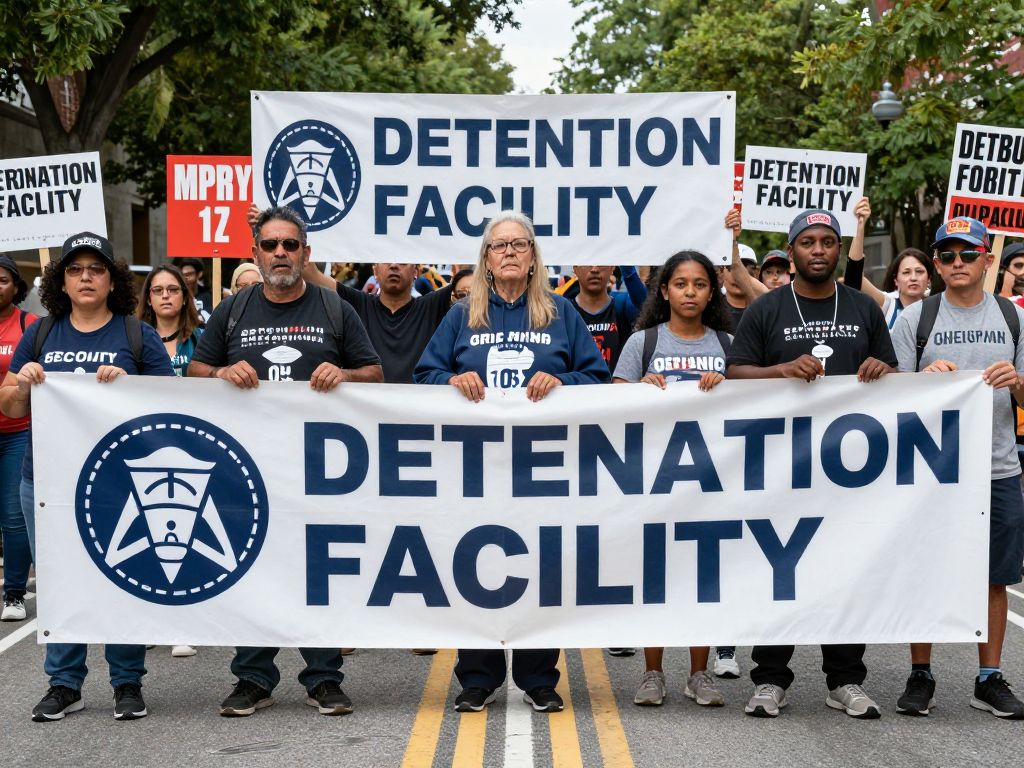
Local leaders and residents in Kansas City, MO, are actively pushing back against the federal proposal to convert a warehouse into a large-scale immigration detention facility. Community voices, led by Councilman Jonathan Duncan and Mayor Quinton Lucas, express concerns about the facility’s implications for local governance and community values. Amid intense civic engagement, the Kansas City Council has enacted a five-year moratorium on non-municipal detention facilities, reflecting a commitment to preserve the city’s character and prioritize local development.
Kansas City, MO
KC Mobilizes: Local Leaders and Citizens Push Back Against Federal Detention Facility Proposal
Kansas City, Missouri, is currently at the center of a significant civic discussion as local leaders and engaged residents vocalize strong opposition to a potential federal immigration detention facility. This unfolding situation highlights the power of local governance and community initiative in shaping the city’s future, reflecting a commitment to deliberate growth and local priorities.
The swift and decisive actions taken by Kansas City officials and community members underscore a belief in self-determination and the importance of local perspectives in matters of regional impact. Amid concerns over the nature and scale of the proposed facility, the community’s response exemplifies how collective engagement can drive conversations about responsible development and the preservation of a city’s unique character. This engagement reflects a desire for transparent processes and local control over projects that could fundamentally alter the fabric of neighborhoods and community life.
A Community’s United Stance on South Kansas City Warehouse
Reports emerged earlier this month detailing a tour by federal agents from U.S. Immigration and Customs Enforcement (ICE) at a warehouse located in South Kansas City. This site, identified as the I-49 Industrial Building at 14901 Botts Road, is owned by Platform Ventures, a local real estate firm. The federal government is reportedly considering converting this nearly one-million-square-foot warehouse into a large-scale immigration detention facility capable of holding between 7,500 and 10,000 detainees, with an estimated opening by the end of 2026. The potential scale of this facility has prompted a considerable reaction across the city, igniting a robust debate about local autonomy and federal action.
The news quickly galvanized various segments of the Kansas City MO community. City Councilman Jonathan Duncan, representing the 6th District where the warehouse is located, has expressed strong opposition to the proposal. His stance resonates with many residents who view the potential facility as inconsistent with the community’s vision for growth and development. The swift organization and vocal protests against the facility demonstrate a high degree of civic engagement, where individuals are taking personal initiative to influence decisions affecting their collective future.
Local Leadership Takes Decisive Action
In a rapid response to the federal interest in the South Kansas City warehouse, the Kansas City Council took significant legislative action. On January 15, 2026, the Council approved a five-year moratorium on all city approvals for non-municipal detention facilities within city limits. This moratorium, effective until January 15, 2031, effectively halts the processing of permits, zoning applications, and development plans for any such facility that is not owned by the city of Kansas City. The vote passed with overwhelming support, 12-1, signaling a unified front from local leadership in safeguarding the city’s interests and guiding its development trajectory.
Mayor Quinton Lucas has also voiced his opposition, stating that Kansas City has no need for an ICE facility and considers the proposal unacceptable. This proactive stance by local elected officials underscores the principle of local control, asserting the community’s right to determine the types of developments that align with its values and long-term goals. Such decisive action from local leadership can serve as a powerful example of civic innovation, where responsive governance is employed to protect community character and foster desired economic development paths. The focus, as Mayor Lucas articulated, should remain on building businesses, homes, and schools, rather than large-scale detention centers.
Diverse Voices and Perspectives
The conversation surrounding the potential ICE facility in Kansas City is marked by a diversity of perspectives, reflecting the complex nature of federal immigration policies and local governance. Councilman Jonathan Duncan has characterized the proposed facility as a “mass concentration camp” that would disrupt the city and stated his opposition to for-profit detention centers. Congressman Emanuel Cleaver also condemned the proposal, expressing concerns that such a facility could degrade society, divide communities, waste taxpayer dollars, and strain local institutions. He also questioned the transparency surrounding a reported $29.9 million no-bid contract associated with the design of a large detention center in Kansas City. Protesters have articulated their opposition, citing concerns about brutality and hate associated with such facilities.
On the other hand, Northland council member Nathan Willett cast the sole dissenting vote against the city’s moratorium, arguing that Kansas City should not obstruct legitimate state and federal law enforcement efforts. State-level Missouri Senator Rick Bratton has expressed support for immigration enforcement and suggested that a potential facility is a necessary component of this process. U.S. Senator Eric Schmitt (R-MO) has defended ICE operations and federal deportation efforts, criticizing what he perceives as obstruction from some local governments and suggesting that such resistance could lead to less controlled environments for federal operations. These varying viewpoints highlight the ongoing tension between federal directives and local community preferences, and the critical role of thoughtful dialogue in navigating these challenges.
The Role of Private Partnerships and Public Incentives
The warehouse at the heart of this discussion, located at 14901 Botts Road, was developed by Platform Ventures with the assistance of Port KC, a public entity providing financial incentive plans for development projects in Kansas City. Specifically, Port KC provided $80 million in bonds and tax breaks for the construction of the 920,000-square-foot facility, intended for industrial use within an industrial park known as 49 Crossing. The subsequent reports of Platform Ventures considering selling the property for an ICE detention facility have raised questions regarding the original intent of these public incentives and the adherence to community development goals.
This situation underscores the importance of clear agreements and accountability in private-public partnerships, especially when public funds and incentives are utilized for local economic development. Ensuring that such partnerships align with the long-term vision and benefit the community is a cornerstone of responsible civic innovation. Port KC has indicated that an intended sale for a detention facility would be inconsistent with the original representations made by Platform Ventures to the agency. This highlights the need for a robust framework that supports private initiative while ensuring community growth remains the paramount objective.
Broader Implications and Precedents
The situation in Kansas City is not isolated. Across the state line in Leavenworth, Kansas, a similar legal and community battle has been unfolding regarding CoreCivic’s attempts to reopen a facility as an ICE detention center. The City of Leavenworth has actively engaged in legal challenges, asserting the need for CoreCivic to comply with local zoning laws and secure a special use permit. This precedent underscores the ability of local municipalities to exert influence over federal or private ventures through the enforcement of local regulations. The Leavenworth case demonstrates the resilience of communities in advocating for their local standards and the importance of adherence to established permitting processes.
Furthermore, national reports have indicated that Kansas City is one of several locations identified by the federal government for large-scale immigration detention facilities as part of a broader strategy. This national context elevates the local response in Kansas City, positioning it as a significant example of how cities can navigate complex federal proposals while upholding local values and priorities. The collective efforts of Kansas City residents and leaders embody a commitment to the principle that community growth is best fostered through thoughtful, locally-driven development, rather than through projects that may introduce unforeseen social and economic pressures.
Engagement for a Stronger Kansas City
The ongoing dialogue in Kansas City regarding the potential federal immigration detention facility serves as a powerful testament to the impact of local action and civic engagement. The collective efforts of Councilman Jonathan Duncan, Mayor Quinton Lucas, Congressman Emanuel Cleaver, and numerous community organizations and citizens highlight the importance of individual achievement and personal initiative in shaping the city’s future. By proactively addressing concerns and establishing a moratorium, Kansas City’s leaders have demonstrated a clear commitment to fostering community growth through local decision-making and a reduced bureaucratic burden where possible, allowing community priorities to take precedence.
As Kansas City moves forward, continued community engagement and active participation in local governance will be vital. Residents are encouraged to stay informed about local developments, participate in public forums, and support initiatives that promote the city’s vision for a thriving and inclusive community. The strength of Kansas City lies in the initiative of its people and the responsiveness of its local leadership to ensure that all future projects contribute positively to the city’s economic development and social well-being. This ongoing civic conversation reaffirms that strong communities are built when citizens are engaged and leaders are accountable to the local preferences that define their unique character. Keeping Kansas City, MO, a vibrant and responsive home requires the vigilance and active participation of all its citizens, ensuring that decisions reflect the collective will and benefit long-term local prosperity.
FAQ Section
What is the current situation regarding a potential ICE detention facility in Kansas City, MO?
Federal agents from U.S. Immigration and Customs Enforcement (ICE) toured a warehouse at 14901 Botts Road in South Kansas City, owned by Platform Ventures, as a potential site for a large immigration detention facility.
Which Kansas City official is leading the opposition to the proposed facility?
Kansas City Councilman Jonathan Duncan, representing the 6th District where the warehouse is located, has expressed strong opposition to the proposal.
What action has the Kansas City Council taken in response to the proposal?
The Kansas City Council approved a five-year moratorium on all city approvals for non-municipal detention facilities within city limits, effective until January 15, 2031.
What are the proposed capacity and timeline for the potential facility?
The proposed facility could hold between 7,500 and 10,000 ICE detainees, with an estimated opening by the end of 2026.
What is the perspective of state-level officials on immigration enforcement in Missouri?
Missouri Senator Rick Bratton supports immigration enforcement and believes a potential facility is a necessary component of this process.
Key Features of the Potential ICE Detention Facility and Local Response
| Feature | Description | Scope |
|---|---|---|
| Location of Proposed Facility | Warehouse at 14901 Botts Road, South Kansas City, near Grandview. | Local |
| Primary Opponent (KC Council) | Councilman Jonathan Duncan (6th District). | Local |
| Capacity of Proposed Facility | 7,500 to 10,000 ICE detainees. | Local/Regional Impact |
| City Council’s Action | Five-year moratorium on non-municipal detention facility approvals (until Jan 15, 2031). | Local |
| Warehouse Owner | Platform Ventures. | Local |
| State-level Support for Enforcement | Missouri Senator Rick Bratton supports immigration enforcement. | State-level |
| National Context | Kansas City is one of seven sites identified nationally for large-scale detention centers. | Nationwide |
Deeper Dive: News & Info About This Topic
HERE Resources
Kansas City Officials Question $250,000 State Budget Earmark
Kansas and Missouri Lawmakers Vote on DHS Funding
Unpacking the Tragic Lawrence Bar Shooting
Heightened Immigration Enforcement Sparks Outcry
Kansas City’s AI Boom: Balancing Growth & Community Needs
KC’s Tech Boom: Balancing Innovation with Public Health
Kansas City Officials Address ICE Patrol Concerns
Kansas City Residents Oppose Proposed ICE Detention Center
Kansas City Current Unveils Regular Season Schedule
Kansas City Community Divided Over Proposed DHS Detention Center