

Kansas City, MO, January 28, 2026
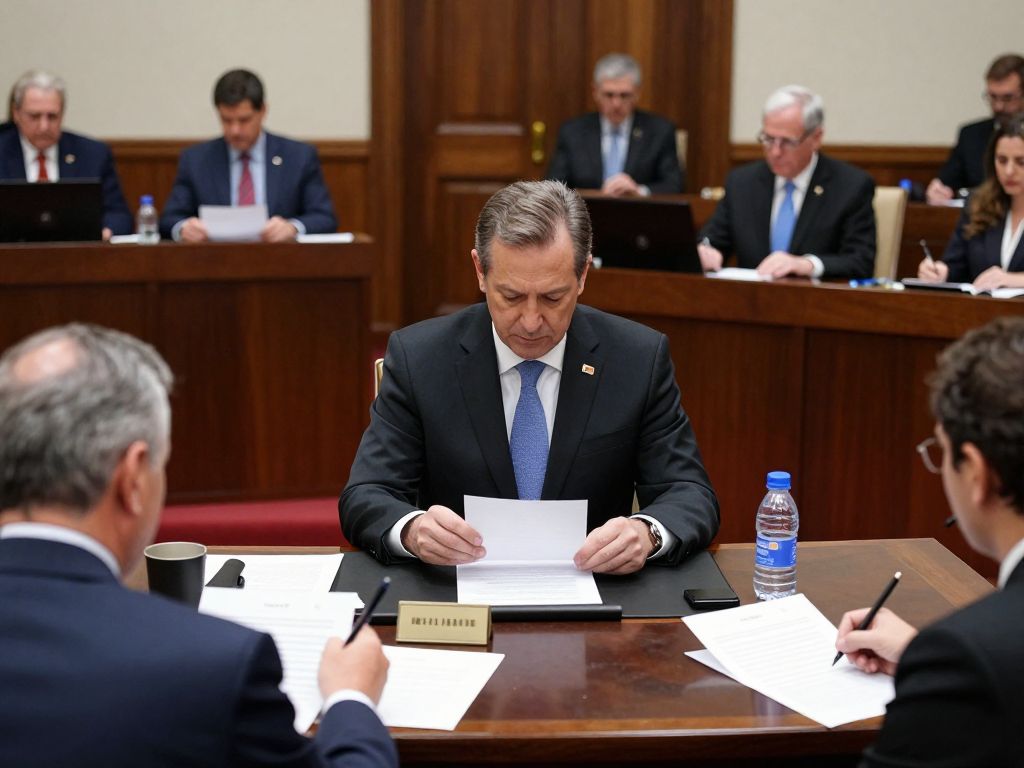
In a significant legislative move, lawmakers from Kansas and Missouri cast votes on the Department of Homeland Security funding, reflecting party divisions. The U.S. House passed the appropriations bill for fiscal year 2026, crucial for national security operations, by a vote of 220 to 207. This decision comes amid heated national debates about immigration enforcement and the role of federal agencies, underscoring the importance of civic engagement in policy decisions that directly impact local communities.
Kansas City, MO –
Navigating Federal Funding Amidst National Discourse: Kansas and Missouri Lawmakers Weigh in on Homeland Security
The intricate dance of federal policymaking regularly touches the lives of citizens in Kansas City, MO, and across the nation. Recently, the focus shifted to Washington D.C., where legislators from both Kansas and Missouri engaged in a critical vote on funding for the Department of Homeland Security (DHS), including the Immigration and Customs Enforcement (ICE) agency. This decision unfolded against a backdrop of intense national debate, underscoring the vital role of individual representatives in shaping national security and immigration policy, and highlighting how their choices resonate within local communities.
This legislative action provides a timely reminder of the necessity for engaged citizenry and clear-sighted governance. The process by which federal agencies receive funding involves extensive deliberation, with each vote reflecting a complex balance of national priorities, fiscal responsibility, and local concerns. Understanding these decisions is crucial for fostering civic innovation and encouraging personal initiative, as the efficacy of federal operations directly impacts community well-being and security.
The Legislative Process in Action: A House Vote on DHS Funding
On January 22, 2026, the U.S. House of Representatives took a significant step by passing H.R. 7147, a standalone appropriations bill dedicated to funding the Department of Homeland Security for fiscal year 2026. This legislation, crucial for the ongoing operations of national security agencies, saw lawmakers from Kansas and Missouri casting their votes in alignment with their respective party platforms. The bill ultimately passed the House with a vote of 220 to 207, marking a pivotal moment in the current legislative session. The passage of this bill reflects a structured approach to national fiscal management, ensuring essential services remain operational while adhering to budgetary frameworks.
Party Lines Define Kansas and Missouri Lawmakers’ Votes
The vote on DHS funding saw a clear division along party lines among representatives from Kansas and Missouri. All nine Republican U.S. House members from both states cast votes in favor of the legislation. Conversely, the three Democratic lawmakers representing Kansas and Missouri voted against the package. This alignment underscores differing perspectives on federal spending and immigration enforcement strategies. For example, U.S. Representative Emanuel Cleaver, II (D-MO) stated his opposition to the legislation, indicating he could not support what he termed the “continuation of chaos that this agency is creating in communities nationwide”. He further emphasized that Republicans in Congress had not taken “meaningful action to rein in this administration”. This partisan split highlights the ongoing national conversation about the scope and implementation of federal authority, a dialogue central to maintaining a balanced and accountable government.
A Look at the Numbers: Fiscal Year 2026 Allocations
The legislation, known as the Fiscal Year 2026 Homeland Security Appropriations Act, proposes a total discretionary funding of $64.4 billion for the Department of Homeland Security. This figure represents a $600 million decrease from the fiscal year 2025 allocation. Within this comprehensive budget, specific adjustments were made to key agencies. Funding for Customs and Border Protection (CBP) saw a reduction of nearly $1.3 billion. Meanwhile, funding for Immigration and Customs Enforcement (ICE) was maintained at a flat rate of $10 billion. A notable provision within the bill includes an allocation of $20 million for body cameras for both ICE and CBP officers, aiming to enhance transparency and accountability in federal immigration operations. Furthermore, the bill mandates that DHS provide monthly updates on its spending, and it places new oversight and accountability measures on both annual appropriations and the additional $190 billion the Department of Homeland Security received from the “One Big Beautiful Bill Act”. These financial details underscore the government’s efforts to optimize resource allocation while introducing new safeguards for federal agency conduct.
Context of Federal Enforcement and Community Impact
The vote on ICE funding occurred amidst significant national attention regarding federal immigration enforcement. The “Trump administration’s aggressive ICE crackdown on American cities” had generated considerable “fury” and public debate. This broader context included concerns over the administration’s use of federal immigration agents to “quell dissent in cities across the country”. A somber backdrop to the legislative action was a pair of fatal shootings in Minneapolis. These tragic events involved former Kansas City resident Renee Good, who was shot by an Immigration and Customs Enforcement officer on January 7, 2026, and ICU nurse Alex Pretti, who was shot by Border Patrol agents on January 24, 2026. These incidents, which sparked calls to defund ICE, highlight the profound impact of federal actions on individual lives and local communities, bringing to the forefront discussions about civil liberties and the role of law enforcement.
The Path Ahead: Senate Review and Government Stability
Following its passage in the House, the DHS funding legislation now advances to the U.S. Senate, where its ultimate fate remains uncertain. The legislative journey through the Senate involves further scrutiny and debate, reflecting the bicameral nature of American governance designed to ensure thorough consideration of all bills. A critical deadline looms: failure by the Senate to pass this funding package before Saturday (January 30th) could potentially lead to a government shutdown. This possibility underscores the delicate balance of legislative negotiations and the potential for disruption when consensus is elusive. Senate Democrats have indicated their intention to demand the removal of the DHS appropriations bill from a broader spending package, advocating for it to be considered as a separate vote. This ongoing legislative tension exemplifies the dynamic interplay between branches of government and the importance of individual achievement in advocacy to shape national policy.
Fostering Community Growth Through Informed Civic Discourse
The recent votes on Homeland Security funding by Kansas lawmakers and Missouri lawmakers serve as a compelling illustration of the complexities inherent in federal governance and its direct connection to community life. In Kansas City MO and beyond, understanding these legislative processes is paramount for fostering civic innovation and encouraging personal initiative. By staying informed about the decisions made by elected representatives, citizens are better equipped to engage in constructive dialogue, advocate for their communities, and uphold the principles of limited bureaucracy that can empower local growth. Such engagement is not merely passive observation but an active contribution to the health and responsiveness of our democratic institutions.
Frequently Asked Questions
- What was the recent vote about?
- The recent vote in the U.S. House of Representatives was on legislation to fund the Department of Homeland Security (DHS), including the Immigration and Customs Enforcement (ICE) agency, for fiscal year 2026.
- How did Kansas and Missouri lawmakers vote on the DHS funding legislation?
- Kansas and Missouri lawmakers voted along party lines on the legislation. All nine Republican U.S. House members from both states voted in favor of the bill, while the three Democratic lawmakers from Kansas and Missouri voted against the package.
- What is the total funding allocated to the Department of Homeland Security in this legislation?
- The Fiscal Year 2026 Homeland Security Appropriations Act provides $64.4 billion in total discretionary funding for the Department of Homeland Security.
- What was the context surrounding this vote?
- The vote came amid fury over the Trump administration’s aggressive ICE crackdown on American cities and outrage over the Trump administration’s use of federal immigration agents to quell dissent in cities across the country. It also followed a pair of fatal shootings in Minneapolis involving former Kansas City resident Renee Good and ICU nurse Alex Pretti, which sparked calls to defund ICE.
- What happens next with the legislation?
- The legislation now heads to the U.S. Senate, where its future is less certain. The Senate’s failure to pass the package before a looming deadline risks a government shutdown.
Key Features of the DHS Funding Legislation (FY 2026)
| Feature | Details | Scope |
|---|---|---|
| Total Discretionary Funding for DHS | $64.4 billion | Nationwide |
| Change from FY 2025 | $600 million decrease | Nationwide |
| Customs and Border Protection (CBP) Funding | Nearly $1.3 billion cut | Nationwide |
| Immigration and Customs Enforcement (ICE) Funding | Flat funded at $10 billion | Nationwide |
| Allocation for Body Cameras | $20 million for ICE and CBP officers | Nationwide |
| House Vote Result | 220 in favor, 207 against | Nationwide |
| Kansas and Missouri Lawmakers’ Vote | Voted along party lines: 9 Republicans in favor, 3 Democrats against | State-level (Kansas and Missouri) |
| Next Step in Legislative Process | Heads to U.S. Senate | Nationwide |
Deeper Dive: News & Info About This Topic
HERE Resources
Kansas City’s Logistics Sector Navigates Record-Long Freight Recession
KC’s Housing Market Shows Resilience and Growth
Kansas City Current Unveils Regular Season Schedule
U.S. Representative Condemns Reported DHS Detention Center in Kansas City
Kansas City Prepares for World Cup with Advanced Drone Security
Secret Service Spends $2.6 Million on Memorial Security
Tragedy During Immigration Raids at Cannabis Farms
Florida’s New ‘Alligator Alcatraz’ Immigration Facility Approved
Trump Suspends Entry of Foreign Students at Harvard
Protesters Rally Against ICE Tactics in Kansas City