

Kansas City, Missouri, January 25, 2026
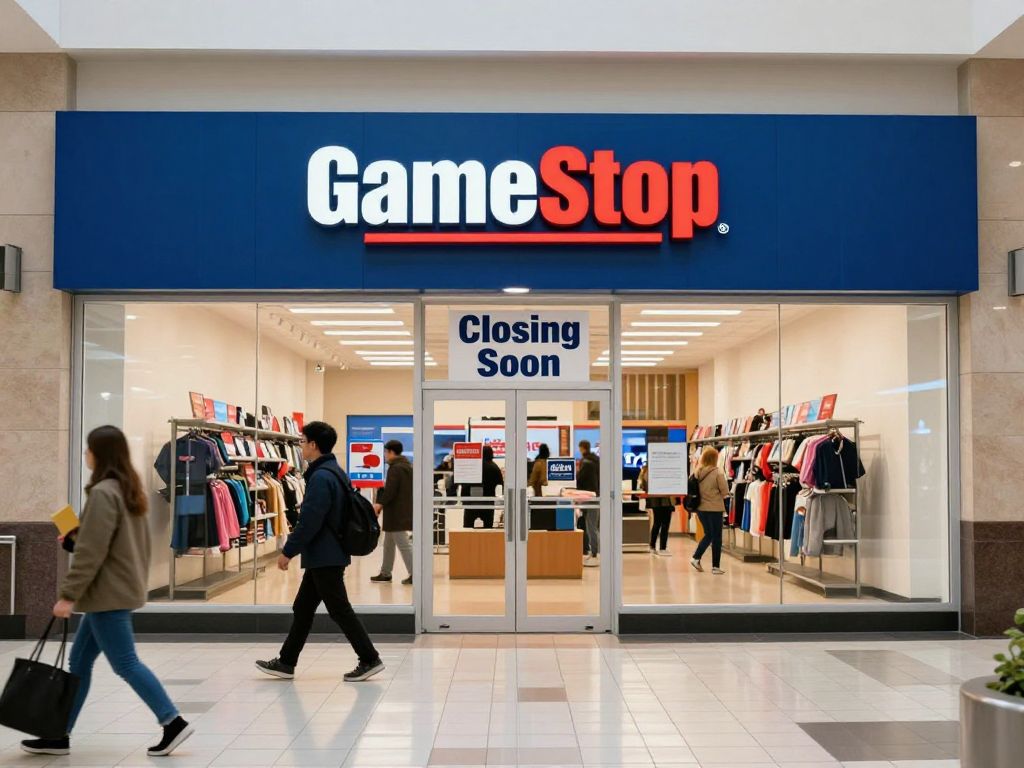
GameStop is restructuring its presence in Missouri and Illinois with plans to close 30 stores in 2026. This move is part of a nationwide strategy to optimize its retail footprint amidst a significant shift towards digital gaming. The closures highlight changing consumer preferences and present local businesses in Kansas City with potential opportunities to innovate and fill market gaps. As GameStop pivots towards e-commerce and collectibles, the impact on local economies and job markets will be scrutinized.
Midwest Retail Shake-Up: GameStop Consolidates Footprint in Missouri and Illinois
As the retail landscape continues its rapid evolution, particularly within the dynamic gaming sector, GameStop has announced a significant restructuring of its physical presence in the heartland. In 2026, the company is closing 30 stores across Missouri and Illinois, a strategic move that reflects broader shifts in consumer behavior and the ongoing imperative for businesses to adapt to new market realities.
For Kansas City MO business owners and residents, these developments serve as a potent reminder of the constant need for entrepreneurial innovation and resilience. While the immediate focus is on the large retailer, the underlying trends highlight how vital it is for local enterprises to remain agile, embrace technology, and understand evolving customer preferences. This period of change also presents opportunities for Kansas City small business leaders and Missouri MO entrepreneurs to re-evaluate local market needs and potentially fill new niches.
GameStop’s Strategic Realignment
The 30 store closures across Missouri and Illinois are part of a larger nationwide strategy by GameStop to optimize its retail footprint. The company is closing 470 locations nationwide in January 2026. This follows a trend from fiscal year 2024, during which GameStop closed 590 stores across the nation, with plans to close a significant number more in fiscal year 2025, which concludes on January 31, 2026.
In Missouri, 12 GameStop stores are affected by these closures in January 2026. Neighboring Illinois will see 18 of its GameStop locations close during the same period. Specific closures have been noted around January 7 and January 14, 2026, with reports indicating that some store employees received notice of these changes in “waves,” sometimes just 30 minutes before opening.
Driving Forces Behind the Closures
GameStop’s decision stems from a comprehensive “store portfolio optimization review” initiated in 2024. This review aimed to identify locations for closure based on market conditions and individual store performance. A primary factor influencing these changes is the ongoing digital transformation within the gaming industry, which has significantly impacted the traditional brick-and-mortar retail model.
The shift towards digital game distribution is stark: 95% of game sales are now digital downloads or streaming, with only 5% consisting of physical sales. This trend has contributed to GameStop experiencing a 31% decline in sales and an operating loss of $22 million as of August 3, 2024. Furthermore, many GameStop locations, historically situated in shopping malls, have faced declining foot traffic, exacerbating the challenges posed by evolving consumer habits.
Adapting to the Digital Age: A New Business Model
In response to these market shifts, GameStop is actively pursuing a strategy to adapt to the digital age of gaming and entertainment. The company’s focus includes enhancing its e-commerce capabilities, optimizing its remaining store footprint, and diversifying its product offerings beyond traditional video games and consoles.
A notable part of this evolving strategy involves a substantial pivot towards collectibles, encompassing items like trading cards, apparel, toys, and other pop culture merchandise. This diversification has shown promising results; in the first quarter of fiscal year 2025, net sales from collectibles surged by 54.6% year-over-year, reaching $211.5 million and constituting 28.9% of total net sales. GameStop has also forged strategic partnerships, such as its October 2024 collaboration with PSA, a prominent card grading firm, to offer card grading services.
Impact on Communities and the Broader Economy
While GameStop’s strategic restructuring is a corporate decision, its impact ripples through local communities. Store closures can unfortunately lead to job losses, affecting individuals and families who relied on these retail positions. Beyond employment, the closure of retail spaces can trigger a “domino effect” on local economies. Reduced foot traffic to former GameStop locations can decrease visits to neighboring businesses, potentially jeopardizing the viability of other local establishments.
For municipalities, including those in the Midlands economic growth areas like Kansas City, store closures can also impact taxable revenue bases, which are crucial for funding local services. This underscores the importance of a dynamic economic environment where new businesses can emerge and thrive, ideally supported by policies that foster private investment and sensible regulation.
Looking Ahead: Opportunities for Kansas City
For Kansas City, MO, and the broader region, the challenges faced by national retailers like GameStop highlight opportunities for homegrown innovation. The entrepreneurial spirit thrives when businesses are free to identify unmet needs and pivot quickly. As traditional retail models adjust, local entrepreneurs are uniquely positioned to create vibrant, community-focused shopping experiences or develop specialized digital platforms that cater to specific interests, such as retro gaming or collectibles, areas where national chains may struggle to compete effectively.
Supporting Kansas City small business owners and fostering an environment conducive to new ventures is paramount. Policies that streamline business permits, reduce unnecessary red tape, and encourage local investment can empower entrepreneurs to adapt and contribute to sustained economic growth. By focusing on community engagement and celebrating personal achievement in business, Kansas City can ensure its economic future remains robust and diversified, even as larger retail players recalibrate their strategies.
Frequently Asked Questions (FAQ)
How many GameStop stores are closing in Missouri and Illinois in 2026?
GameStop is closing 30 stores across Missouri and Illinois in 2026.
How many GameStop stores are closing nationwide in January 2026?
GameStop is closing 470 locations nationwide in January 2026.
What are the reasons for GameStop’s store closures?
The closures are part of a “comprehensive store portfolio optimization review” based on market conditions and individual store performance. Factors include the gaming industry’s shift to digital adoption, declining sales (31% fall), an operating loss of $22 million as of August 3, 2024, and reduced foot traffic in malls where many stores are located.
What is GameStop’s new business strategy?
GameStop is focusing on optimizing its store footprint, enhancing e-commerce capabilities, and expanding into new product categories beyond traditional video games, especially collectibles like trading cards, apparel, and toys.
What is the impact of these closures on local communities?
Store closures can lead to job losses and have a “domino effect” on local governments and businesses by reducing foot traffic to neighboring establishments and impacting taxable revenue bases.
Key Features of GameStop’s 2026 Closures and Strategy
| Feature | Detail | Scope |
|---|---|---|
| Total Stores Closing in MO & IL (2026) | 30 | State-level |
| Stores Closing in Missouri (Jan 2026) | 12 | State-level |
| Stores Closing in Illinois (Jan 2026) | 18 | State-level |
| Total Stores Closing Nationwide (Jan 2026) | 470 | Nationwide |
| Primary Reason for Closures | “Comprehensive store portfolio optimization review” and shift to digital gaming | Nationwide |
| Game Sales Distribution (Digital vs. Physical) | 95% Digital, 5% Physical | Nationwide |
| New Business Focus Areas | E-commerce enhancement, collectibles (trading cards, apparel, toys) | Nationwide |
| Collectibles Sales Growth (Q1 FY2025) | 54.6% year-over-year | Nationwide |
Deeper Dive: News & Info About This Topic
HERE Resources