
Kansas City, Missouri, January 25, 2026
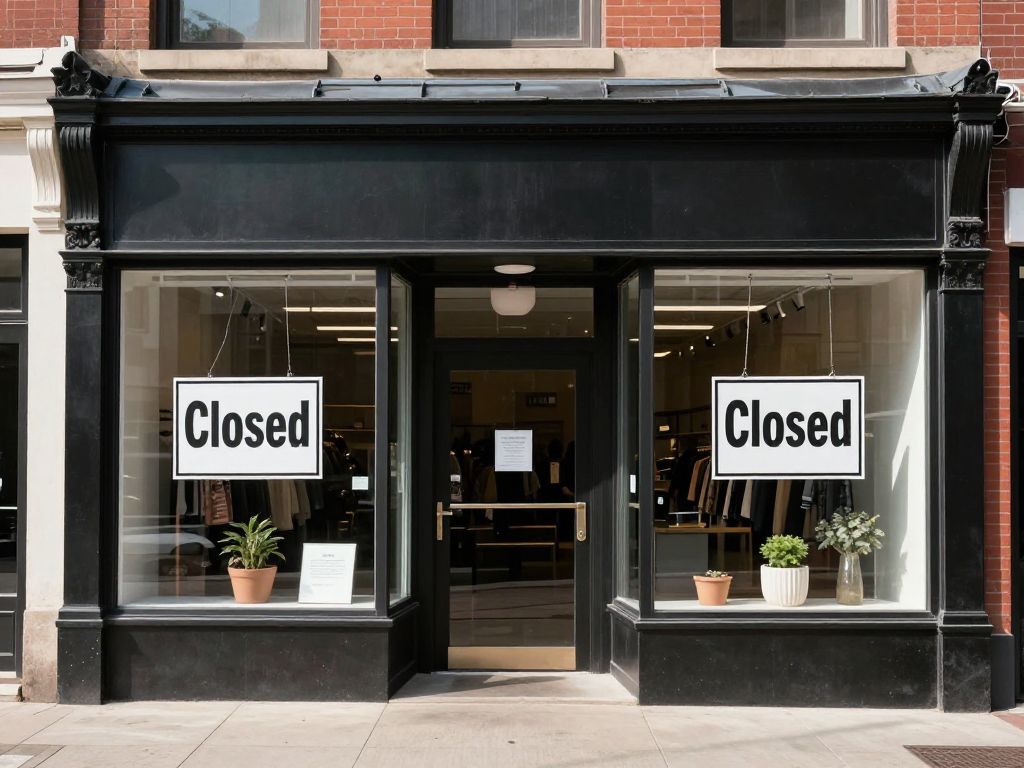
Retail Rebel, the discount retailer in Kansas City, has announced the closure of most of its local stores, reflecting broader economic pressures impacting the retail sector. This development emphasizes the challenges faced by discount retailers across the nation due to inflation, increased labor costs, and shifting consumer behaviors. However, Kansas City’s entrepreneurial spirit may help foster new opportunities for local businesses to adapt and innovate amidst these changes.
Kansas City, MO
Kansas City Retail Shakeup: Discount Chain Closes Doors Amid Shifting Economic Winds
Kansas City’s dynamic business landscape is always evolving, a testament to the resilient spirit of its entrepreneurs and the constant flow of market forces. Recently, a notable shift has occurred within the local retail sector, as the “treasure-hunt” discount retailer, Retail Rebel, announced the closure of the majority of its Kansas City-area stores. This development reflects broader trends impacting discount retailers nationwide and underscores the challenges and opportunities present in today’s economy.
While the sudden closure of multiple locations can create ripples in any community, Kansas City has a proud history of adaptability and entrepreneurial innovation. The departures prompt a closer look at the economic factors at play and how local businesses and consumers are navigating a marketplace increasingly shaped by evolving spending habits and operational pressures. The city’s economic growth is fueled by diverse industries and a robust support system for small business, suggesting a capacity for renewal and strategic adaptation in the face of such changes.
The Changing Landscape for Discount Retailers
The decision by Retail Rebel to close most of its Kansas City-area locations comes amidst a period where even discount retailers are facing significant headwinds. Across the nation, the discount retail segment, traditionally a haven for value-seeking consumers, has been experiencing pressure from inflation, labor costs, and evolving consumer behavior. This has led to slower leasing momentum and some closures nationwide. For example, Dollar General is reportedly closing more than 100 stores nationwide. Other discount retailers are also facing struggles, with some closing over 1,000 stores nationwide. Even major drugstores are adjusting their footprints, with one chain closing seven stores nationwide.
The affordability factor, once a primary driver for these stores, is being re-evaluated by consumers who are becoming more cautious with their spending. Globally, consumers are prioritizing core expenses over many consumer packaged goods (CPG) items in 2026. This shift means that while shoppers continue to seek value, they are also adjusting their spending intentions, with less planned for categories like out-of-home entertainment and clothing, but stable spending on essentials like insurance and healthcare.
Economic Pressures and Consumer Behavior
Several economic forces are contributing to the challenging environment for retailers. Tariffs are expected to boost inflation in 2026, which can reduce consumer purchasing power nationwide. Low- and middle-income households, in particular, face increasing financial stress nationwide. This bifurcation in spending patterns, where high-income households continue strong spending while others are more financially strained, is a pronounced trend affecting all major markets globally. Even within luxury markets, consumers are trading down to premium affordable brands, demonstrating a widespread value-seeking behavior.
Retailers are responding to these pressures by adjusting investment priorities, shifting capital allocation towards more profitable ventures, and focusing on cost control. Tactics such as increasing free shipping thresholds, adjusting product mixes toward higher-margin items, and gradually raising retail prices are being considered nationwide. The retail industry in 2025 was a “stress test,” and 2026 is expected to reward businesses that excel at execution under pressure, adapting to tariffs, tighter margins, and changing consumer behavior.
Kansas City’s Entrepreneurial Spirit and Resilience
In Kansas City, the response to economic shifts often highlights the strength of its Missouri MO entrepreneurs and Kansas City small business community. The city boasts a thriving startup ecosystem and a collaborative approach to economic growth that transcends state lines, supported by organizations like the Kansas City Area Development Council. This collaborative spirit fosters an environment where businesses can find support and resources, even during challenging times. For instance, various programs exist to provide financial assistance, training, and technical support to small businesses, aiming to foster innovation and entrepreneurship. Local initiatives like the KC Small Business Capital Program offer low-interest loans and grants, along with training, to help entrepreneurs thrive.
The city’s focus on innovation is further exemplified by entities like the UMKC Innovation Center, which provides resources, coaching, and educational programs for entrepreneurs, helping them transform ideas into successful businesses. The ability of Kansas City’s businesses to adapt and pivot, leveraging local support networks and embracing new strategies, is a key component of the region’s overall economic health.
Fostering Future Economic Growth in Kansas City
The closure of retail locations, while challenging, also creates opportunities for new ventures and innovative business models to emerge within Kansas City. The commercial real estate sector in retail has shown resilience nationwide, with strong leasing activity for well-located centers. This suggests that while some businesses struggle, others are finding ways to innovate and occupy newly available spaces. For Kansas City, a continued emphasis on supporting small business, encouraging private investment, and ensuring a favorable regulatory environment can help attract and nurture new enterprises.
The city’s diverse economy, encompassing sectors like healthcare, education, logistics, and advanced manufacturing, provides a strong foundation for continued prosperity. Initiatives that empower local Missouri MO entrepreneurs, connect them with capital, and provide essential business development services are crucial for sustained economic growth. By prioritizing these elements, Kansas City can ensure that its business landscape remains vibrant and adaptable, ready to embrace the future.
Conclusion
The recent closures of discount retail stores in Kansas City are a clear indicator of the shifting tides in the broader retail industry, influenced by national economic pressures and evolving consumer preferences. However, Kansas City’s robust ecosystem of entrepreneurial support, coupled with the inherent resilience and innovative spirit of its local small business community, positions the city to navigate these changes effectively. The focus on fostering economic growth through local initiatives, private investment, and collaborative development efforts is more vital than ever.
We encourage all Kansas City residents to continue supporting local businesses and exploring the innovative solutions our Missouri MO entrepreneurs bring to the market. Staying informed and engaged in the city’s economic future strengthens our community and ensures a dynamic marketplace for everyone.
Frequently Asked Questions About Retail Closures in Kansas City
- What discount retail chain recently closed stores in the Kansas City area?
- The “treasure-hunt” discount retailer, Retail Rebel, recently closed the majority of its Kansas City-area stores.
- Are other discount retailers closing stores nationwide?
- Yes, other discount retailers are also struggling nationwide. Dollar General is closing more than 100 stores, and other discount chains are closing over 1,000 stores nationwide.
- What factors are contributing to these retail closures?
- Factors include pressure from inflation, rising labor costs, and changing consumer behavior nationwide. Tariffs are also expected to boost inflation in 2026, reducing consumer purchasing power nationwide. Low- and middle-income households face increasing financial stress nationwide.
- How are consumers’ spending habits changing?
- Consumers are becoming more cautious with their spending, prioritizing core expenses over many consumer packaged goods (CPG) items globally. There is a widespread value-seeking behavior, with some consumers trading down to premium affordable brands even in luxury markets.
- How is Kansas City addressing these retail challenges?
- Kansas City has a collaborative approach to economic development, supporting small businesses and entrepreneurs through programs like the KC Small Business Capital Program, which offers financial assistance and training. Organizations like the UMKC Innovation Center also provide resources for developing new businesses.
Key Features of the Current Retail Landscape
| Feature | Description | Geographic Scope |
|---|---|---|
| Retail Rebel Closures | Majority of “treasure-hunt” discount retailer stores closing. | Kansas City-area |
| Wider Discount Retailer Struggles | General struggle among discount retailers due to inflation, labor costs, changing consumer behavior. | Nationwide |
| Dollar General Closures | More than 100 Dollar General stores closing. | Nationwide |
| Other Discount Chain Closures | Other discount retailers closing over 1,000 stores. | Nationwide |
| Major Drugstore Closures | One major drugstore chain closing 7 stores. | Nationwide |
| Inflation Impact | Tariffs expected to boost inflation, reducing consumer purchasing power. | Nationwide |
| Consumer Financial Stress | Low- and middle-income households experiencing increasing financial stress. | Nationwide |
| Value-Seeking Behavior | Consumers trading down to premium affordable brands; prioritizing core expenses. | Global/Nationwide |
| Retailer Adaptation Tactics | Adjusting investments, shifting to profitable ventures, increasing cost control, modifying pricing/product mix. | Nationwide |
| Kansas City Support Systems | Programs like KC Small Business Capital Program and UMKC Innovation Center offer grants, loans, and guidance for entrepreneurs. | Kansas City MO |
Deeper Dive: News & Info About This Topic
HERE Resources
Kansas City’s AI Boom: Balancing Growth & Community Needs
Kansas City Service Sector Sees Modest January Rise
Missouri Lawmakers Prioritize MSHSAA Oversight: What It Means for KC
Retail Rebel Reshuffles Kansas City Footprint
Kansas City Embraces Community Spirit This Weekend
KC’s Tech Boom: Balancing Innovation with Public Health
Kansas City’s Logistics Sector Navigates Record-Long Freight Recession
Construction of Lee’s Summit Fieldhouse Set to Begin
Riverside’s Morton Amphitheater Set to Transform Kansas City Entertainment
Kansas City’s Downtown Flourishes: Engineering Firm Secures Space in H&R Block Headquarters