

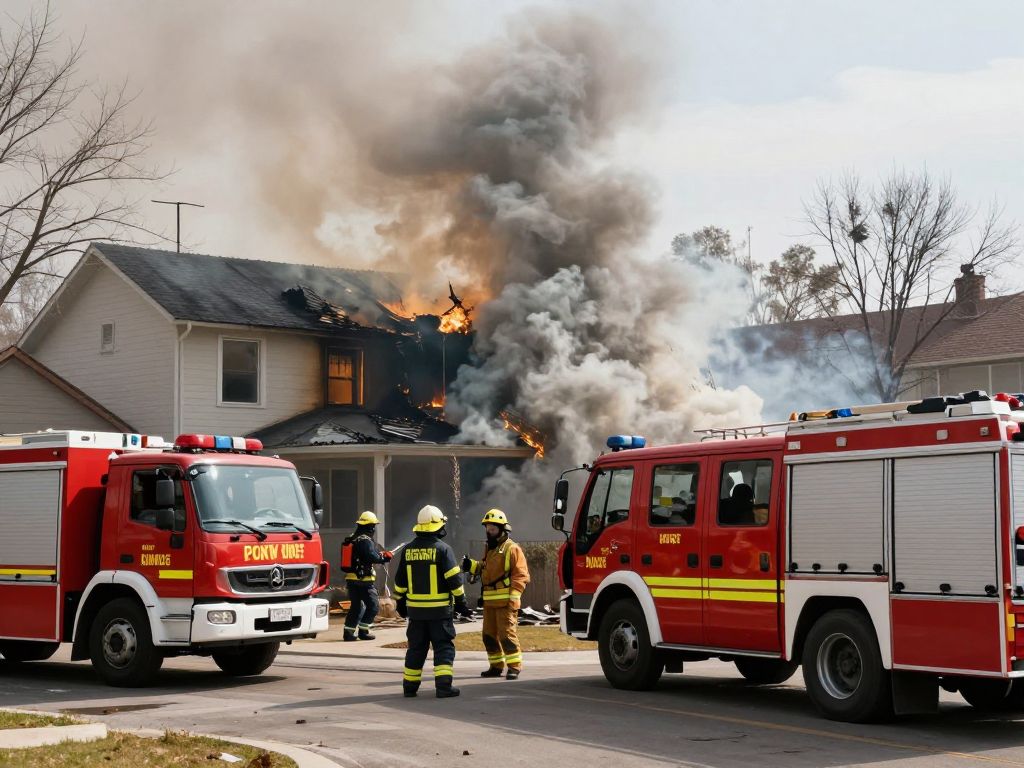
Kansas City, Missouri, January 23, 2026
Over a span of 48 hours, Kansas City, Missouri, endured two tragic residential fires, leading to the death of two individuals and leaving three others critically injured. Emergency services highlighted the urgent need for fire safety awareness and preparedness as they responded to these incidents, showcasing the rapid escalation and severe dangers associated with residential fires.
Kansas City, Missouri
Kansas City, Missouri, has experienced a challenging 48-hour period with two separate fatal residential fires, resulting in two deaths and leaving three individuals in critical condition. Emergency services have been actively responding to these devastating incidents, underscoring the vital necessity of ongoing fire safety awareness and robust preparedness strategies within the community.
Recent Residential Fire Incidents
Early Morning House Fire Claims One Life
In the most recent incident, an early morning house fire in Kansas City, Missouri, led to the tragic death of one woman. Another woman involved in the blaze is currently hospitalized in critical condition, having suffered from smoke inhalation. Fire crews were dispatched swiftly to the scene, where they were met with heavy smoke and significant flames upon arrival. Responders immediately initiated efforts to suppress the fire and conduct rescue operations to locate and assist those trapped.
RV Fire Spreads to Home, Kills One
Earlier, on Wednesday, January 21, 2026, Kansas City, Missouri, was the site of another fatal fire. A man was killed, and a woman sustained critical injuries in an incident that began with a fire in a recreational vehicle (RV) and subsequently spread to an adjacent home. Emergency personnel arrived promptly to address the rapidly escalating situation, working to control the fire and provide medical attention to the victims. The swift spread of the fire from the RV to the nearby residence illustrates the potential for quick escalation in such events.
Understanding the Dangers of Residential Fires
Residential fires pose a severe threat to both human life and property, often developing rapidly and unpredictably. These blazes can engulf structures within minutes, generating intense heat, thick smoke, and an array of toxic gases. The dangers of a fire extend far beyond direct contact with flames, with smoke inhalation being a predominant cause of fatalities in house fires nationwide. Modern homes, frequently furnished with synthetic materials, can contribute to faster fire growth and the release of more hazardous fumes compared to structures from previous eras.
Rapid Progression of Fires
The speed at which a fire can spread is a critical factor in its danger. Flames can double in size approximately every 30 to 60 seconds. This rapid escalation means that residents may have very limited time to react and evacuate safely. A phenomenon known as flashover, where all combustible materials in a room simultaneously ignite, can occur within three to five minutes of a fire’s ignition, making survival nearly impossible beyond this point. This timeline underscores why immediate action and early warning systems are essential.
Common Causes and Prevention Strategies Nationwide
While specific causes of the recent Kansas City incidents are under investigation, common culprits behind residential fires nationwide include cooking-related accidents, electrical malfunctions, heating equipment failures, and careless smoking. Understanding these prevalent causes is the first step toward effective prevention.
- Cooking-Related Fires: Unattended cooking remains the leading cause of home fires nationwide. To prevent such incidents, it is critical to never leave cooking food unattended, especially when frying or broiling. Keeping flammable items, such as dish towels or curtains, away from stovetops and ensuring cooking areas are clean can significantly reduce risk.
- Heating Equipment Failures: Heating appliances, including furnaces, fireplaces, and portable space heaters, are significant fire hazards nationwide. Portable heaters, in particular, account for a substantial percentage of fatal heating fires. Prevention measures include regular professional maintenance of furnaces and fireplaces, and for space heaters, ensuring they are placed at least three feet away from anything combustible, are on a solid, level surface, and ideally have an automatic shut-off feature if tipped over.
- Electrical Malfunctions: Faulty wiring, overloaded circuits, and defective appliances are common causes of electrical fires nationwide. To mitigate these risks, avoid overloading electrical outlets, promptly replace frayed or damaged cords, and ensure that any electrical work is performed by a qualified electrician.
- Careless Smoking: Improper disposal of smoking materials or smoking in bed can ignite fires nationwide. It is recommended to smoke outdoors and to ensure all cigarettes and cigars are completely extinguished before disposal.
- Candles: As sources of open flame, candles require careful handling nationwide. Never leave burning candles unattended, keep them at least one foot away from any combustible materials, and place them on stable, non-tippable surfaces, out of reach of children and pets.
The Peril of Smoke Inhalation Nationwide
Smoke inhalation is the most common cause of death in house fires nationwide, often before the flames directly impact victims. When smoke is inhaled, it introduces harmful byproducts of combustion, such as carbon monoxide and hydrogen cyanide, into the lungs. These toxic gases can rapidly deplete oxygen levels in the bloodstream, leading to hypoxia and severe damage to respiratory tissues, which can result in incapacitation or death.
Symptoms of smoke inhalation can manifest as shortness of breath, coughing, chest pain, dizziness, confusion, nausea, and vomiting. Beyond immediate effects, the fine particles present in smoke can irritate eyes and the respiratory system, leading to conditions like bronchitis and exacerbating existing conditions such as asthma. In individuals already at risk, these fine particles can even trigger heart attacks, strokes, or irregular heart rhythms. Furthermore, inhaling superheated gases can cause thermal injury to the respiratory tract, independent of the chemical toxins present.
Crucial Role of Emergency Preparedness Nationwide
Effective emergency preparedness is fundamental for increasing survival rates in residential fires nationwide.
- Working Smoke Alarms: Smoke alarms are the first line of defense, providing crucial early warning. Homes with properly installed and maintained smoke alarms cut the risk of dying in a fire by 60 percent nationwide. It is vital to install smoke alarms in every sleeping room, outside each separate sleeping area, and on every level of the home, including the basement. Alarms should be tested at least once a month, and batteries should be replaced annually. Interconnected smoke alarms, where all alarms sound when one detects smoke, offer enhanced protection.
- Home Fire Escape Plans: Developing and regularly practicing a home fire escape plan is essential nationwide. Residents may have less than two minutes to escape a home fire once a smoke alarm sounds. This plan should include at least two exit routes from every room and a designated outdoor meeting place a safe distance from the home where everyone can gather. Practicing the plan ensures that all household members know how to evacuate swiftly and safely.
The Critical Nature of Emergency Response
For fire departments nationwide, response time is a critical factor in preserving life and property. Delays in arrival can significantly escalate the risk to occupants, reduce survival odds, and increase the extent of property damage. Firefighters are trained to respond rapidly, assess the situation, suppress flames, and conduct search and rescue operations, with their swift deployment and strategic intervention being pivotal in mitigating the impact of fires and saving lives.
The recent tragic events in Kansas City serve as a powerful reminder of the persistent dangers posed by residential fires. Adhering to fire safety guidelines, understanding common hazards, and being thoroughly prepared for emergencies are collective responsibilities that can make a life-saving difference within our homes and communities.
Frequently Asked Questions
- What happened in Kansas City, Missouri, within the last 48 hours?
- Two separate fatal fires occurred in Kansas City, Missouri, within the last 48 hours, resulting in two deaths and three critical injuries.
- When did the early morning house fire occur, and what were its consequences?
- An early morning house fire occurred in Kansas City, Missouri, resulting in the death of one woman and leaving another woman in critical condition due to smoke inhalation.
- What happened in the RV fire, and when did it occur?
- On Wednesday, January 21, 2026, a man was killed and a woman critically injured when a fire, which reportedly started in a recreational vehicle (RV), rapidly spread to an adjacent home in Kansas City, Missouri.
- What are common causes of residential fires nationwide?
- Common causes of residential fires nationwide include electrical malfunctions, unattended cooking, heating equipment failures, and careless smoking.
- Why is smoke inhalation dangerous?
- Smoke inhalation occurs when harmful byproducts of combustion, including carbon monoxide, hydrogen cyanide, and various irritants, are breathed into the lungs, rapidly depleting oxygen levels, damaging respiratory tissues, and leading to incapacitation or death. Even brief exposure can cause significant harm.
- What are key steps for fire emergency preparedness nationwide?
- Key steps for fire emergency preparedness nationwide include installing and regularly testing smoke alarms on every level of a home and inside each sleeping area, and developing and practicing a home fire escape plan with at least two exits from every room, a designated outdoor meeting place, and ensuring that all family members know how to get out safely and where to regroup.
Key Features of Residential Fire Safety
| Feature | Description | Importance | Scope |
|---|---|---|---|
| Smoke Alarms | Devices that detect smoke and sound an alarm, providing early warning. | Crucial for early detection and timely evacuation, cutting the risk of dying in a home fire by 60 percent. | Nationwide |
| Home Fire Escape Plans | A pre-determined strategy for safely exiting a home during a fire, including multiple routes and an outdoor meeting place. | Ensures everyone knows how to get out safely and where to regroup, especially with less than two minutes to escape once an alarm sounds. | Nationwide |
| Electrical Safety | Proper maintenance of electrical systems, avoiding overloaded circuits, and addressing faulty wiring or defective appliances. | Prevents fires caused by electrical malfunctions. | Nationwide |
| Cooking Safety | Practices such as never leaving cooking unattended and keeping flammable materials away from stovetops. | Minimizes risks associated with the leading cause of home fires. | Nationwide |
| Heating Equipment Maintenance | Regular inspection and cleaning of heating units, and safe use of portable heaters. | Reduces fire hazards originating from heating systems. | Nationwide |
| Smoke Inhalation Awareness | Understanding the severe dangers of breathing in harmful byproducts of combustion. | Highlights that smoke inhalation is the most common cause of death in house fires, emphasizing rapid evacuation. | Nationwide |
| Emergency Response Time | The speed at which fire departments can arrive at an incident. | Critical for preserving life and property, as delays can escalate risk and reduce survival odds. | Nationwide |
Deeper Dive: News & Info About This Topic
HERE Resources
Multiple Fire Incidents in Kansas City Raise Safety Concerns
House Fire and Explosion in Kansas City, Missouri
Missing Kansas City Woman Returned Safe After Silver Alert
Firefighters Tackle Cargill Blaze in Kansas City
Kansas City Responds to East Side House Fire
Kansas City Families Face Dual Crises as SNAP Benefits Are Stolen
Kansas City Battles Fire at Vacant Parade Park Complex
Driver Dies Following High-Speed Crash in Kansas City
Platte County Withdraws from Zona Rosa Public Financing
Significant Structure Fire at Vacant Church in Kansas City