
Kansas City, January 22, 2026
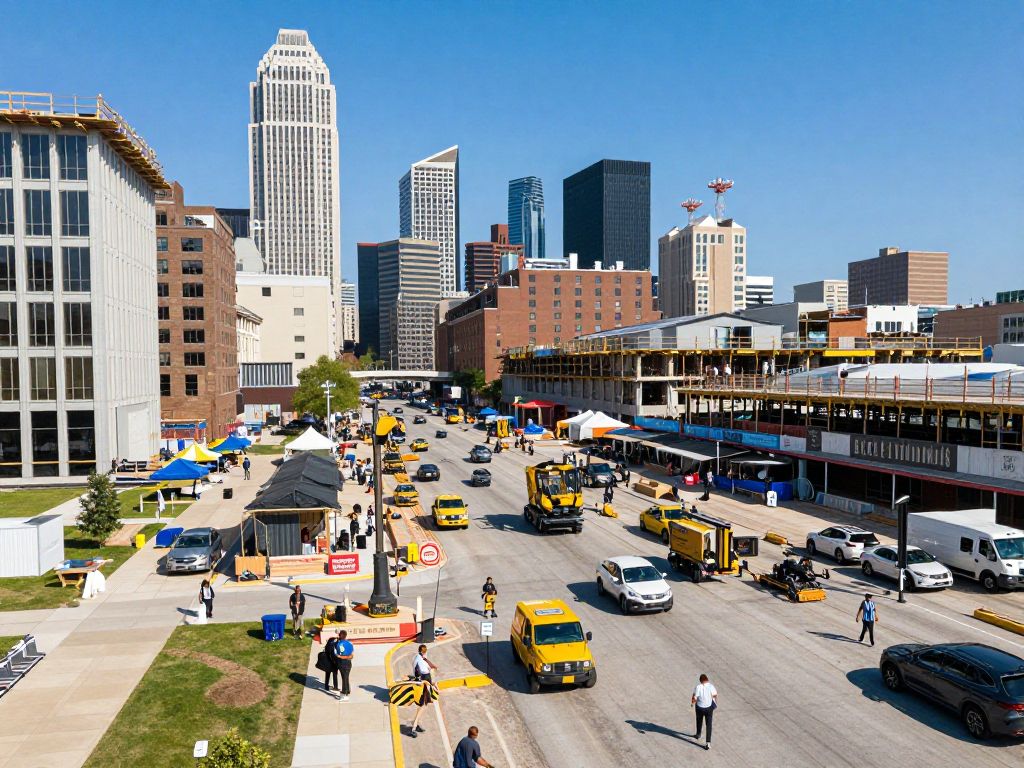
Kansas City, a key player in North America’s transportation network, is braving the effects of a record-long freight recession. For over three years, the trucking and logistics industries have faced a downturn, affecting local businesses and operations. Despite these challenges, local entrepreneurs are showcasing resilience and innovation, fostering collaboration, and preparing for future growth, which speaks to the spirit of enterprise alive in the heartland.
Kansas City, MO
Kansas City’s Logistics Sector Navigates Record-Long Freight Recession
Kansas City, a vital hub at the nexus of North America’s transportation network, is feeling the ripple effects of an unprecedented freight recession. While the nationwide trucking and logistics industries grapple with a prolonged downturn, local entrepreneurs and logistics innovators are demonstrating remarkable resilience and adaptability in the face of these challenging economic headwinds.
This enduring period, now in its fourth year, marks the longest freight recession on record, presenting a complex landscape for businesses reliant on the efficient movement of goods. Yet, in the heartland, the spirit of American enterprise is driving efforts to navigate these complexities, often looking to innovation and strategic community engagement to sustain economic vitality and prepare for future growth.
The Extended Freight Recession: A Nationwide Challenge
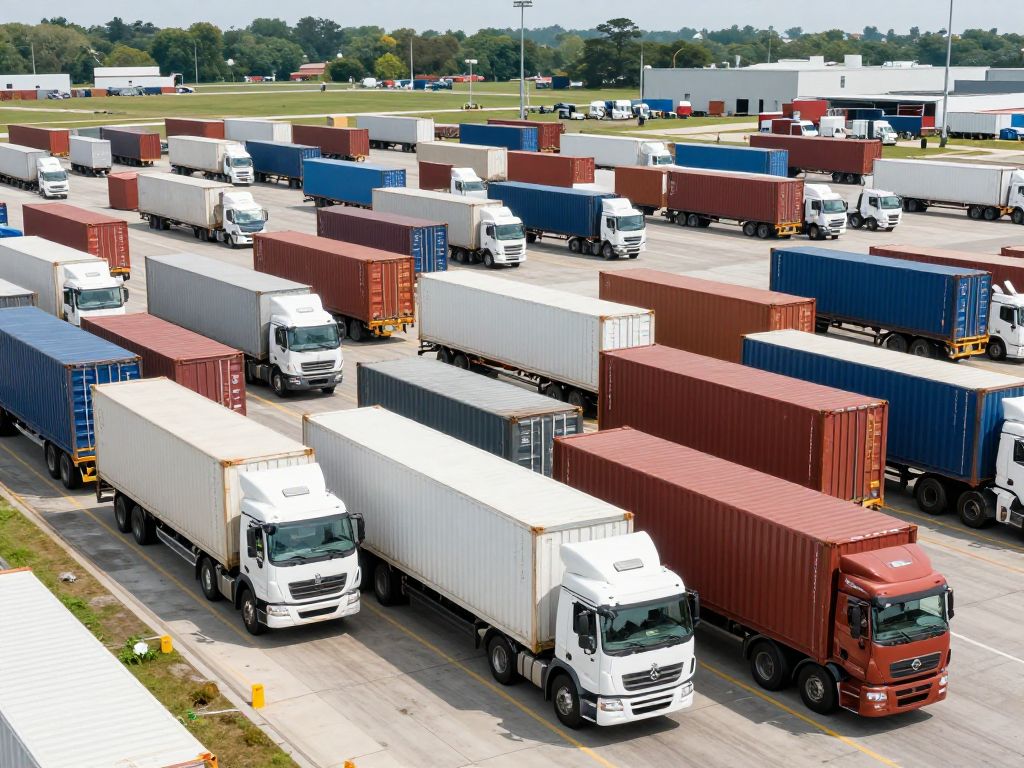
The trucking and logistics industries nationwide have been experiencing a freight recession for over three years, making it the longest on record. This prolonged downturn has been characterized by significant strains, including reduced freight rates and increased operating costs. Rates paid to truckers have declined by more than half since 2021, even as costs for fuel, labor, and insurance have continued to rise. The fundamental pressures contributing to this situation include excess capacity in the market, weak spot rates, and persistently high operating costs. This environment has led to a significant shift in shipper behavior, with an increased reliance on third-party intermediaries and brokers.
The demand for freight transportation is directly correlated with overall economic activity in freight-intensive industries. Factors such as falling home construction, decreased factory output, and soft retail sales have contributed to reduced contract freight tonnage. The industry has also seen increased employment of background checks and medical checkups processes for drivers, which may cause delays.
Kansas City’s Strategic Position Amidst Economic Headwinds
Despite the broader industry challenges, Kansas City’s position as a premier logistics hub continues to be a significant asset. The city boasts a robust multimodal freight network, including four major interstates (I-29, I-35, I-49, and I-70) that bisect the region, and multiple rail intermodal facilities connecting to major ports across the U.S., Canada, and Mexico. This central location allows reach to 90% of the U.S. within a two-day drive. Kansas City is also home to one of the largest rail centers in the nation by tonnage, with six out of seven Class I railroads converging here. The Port of Kansas City, one of Missouri’s 15 ports, further enhances the region’s capabilities with substantial shoreline, load cells, and docking structures.
The region has seen substantial growth in industrial and logistics activity, with over 25 million square feet of product and distribution building constructed on a speculative basis in the last five to six years, much of which has been filled. This expansion is supported by a growing warehouse labor force, projected to increase by 6.3% by 2033.
Innovating Through Adversity: Local Business Resilience
In response to the economic pressures, Kansas City’s small businesses and entrepreneurs are demonstrating remarkable resilience. The entrepreneurial ecosystem in Kansas City has been recognized globally, with the city named one of the top five emerging cities for entrepreneur ecosystems in 2015. Initiatives like “KC Rising” aim to strengthen this ecosystem by focusing on innovation, research commercialization, and technology adoption. Programs such as Digital Sandbox KC provide proof-of-concept grant funding for early-stage commercialization, while KCSourceLink connects entrepreneurs to essential resources, mentors, and funding. These programs foster an environment where local innovation and leadership can continue to boost job creation and business success, even during challenging times.
Missouri’s trucking industry, primarily composed of small, locally owned businesses, is actively working with government and businesses to quantify and reduce greenhouse gas emissions through programs like the U.S. Environmental Protection Agency’s (EPA) SmartWay Transport Partnership. This commitment to sustainability, alongside ongoing innovation in operational efficiency, showcases the forward-thinking approach of local enterprises.
Navigating Regulations and Embracing Technology
The trucking industry operates under a complex framework of both federal and state regulations. In Missouri, MoDOT implements state-specific rules covering aspects such as permits for oversized loads, state weight limits, and route restrictions, complementing nationwide standards set by the FMCSA for driver hours and truck inspections. While regulations are crucial for safety, some policies, such as emission controls and Electronic Logging Devices (ELDs), present significant cost burdens for small trucking firms. Acquiring new low or zero-emission trucks and installing ELDs can involve substantial investments, which are often more challenging for smaller operators to bear compared to larger companies.
Meanwhile, technological advancements, particularly in autonomous vehicles, are emerging as a topic of discussion. A Missouri bill proposing to allow self-driving taxis also includes provisions for autonomous semi-trucks. This development has sparked debate, with concerns raised by commercial truck drivers regarding job displacement and the ability of autonomous systems to perform critical tasks like roadside inspections. While recognizing current technical limitations, the discussions highlight the ongoing evolution of the logistics landscape and the need for thoughtful policymaking that balances innovation with workforce considerations and public safety.
Looking Ahead: Opportunities for Growth and Collaboration
As the freight recession persists, the focus for Kansas City’s logistics sector remains on strategic growth and collaboration. Organizations like KC SmartPort, a non-profit dedicated to promoting economic growth by attracting freight distribution firms and improving regional freight distribution efficiency, play a crucial role. Their efforts include attracting private investments in warehousing, distribution, and third-party logistics, as well as developing automated logistics data clearinghouses to enhance supply chain visibility.
The region’s robust infrastructure, including 30% more interstate miles per capita than any other U.S. city, and its commitment to integrating different freight modes, are key strengths. Upgrades to critical corridors like I-70 are a top priority for the Kansas City District and across the State, aimed at improving reliability for freight movement. Continued private sector engagement is seen as vital for crafting meaningful freight plans and ensuring the region remains a competitive and attractive location for logistics and related industries. By fostering an environment that champions entrepreneurial spirit, embraces responsible innovation, and prudently manages regulatory frameworks, Kansas City can continue to build on its strengths and emerge stronger from the current economic climate.
The resilience of Kansas City small business and the strategic investments in its logistics infrastructure underscore the potential for enduring economic growth. Missouri MO entrepreneurs are adapting to change, leveraging the city’s unique advantages as a central hub. Supporting Kansas City MO business through these challenging times is not just about weathering a storm, but about preparing the region for a more robust and efficient future, securing its place as a leader in Midlands economic growth.
FAQ
What is the current state of the trucking and logistics industries?
The trucking and logistics industries nationwide are currently experiencing a freight recession, which has lasted for over three years, making it the longest on record.
How has the freight recession impacted rates and costs for trucking companies?
Rates paid to truckers nationwide have declined by more than half since 2021, while costs for fuel, labor, and insurance have continued to rise.
What are the primary factors contributing to the freight recession?
The fundamental pressures defining the freight recession include excess capacity in the market, weak spot rates, and persistently high operating costs nationwide.
How is Kansas City positioned as a logistics hub during this period?
Kansas City maintains its strategic position as a key logistics hub due to its central location, robust multimodal transportation network, and extensive industrial and logistics infrastructure, allowing reach to 90% of the U.S. within a two-day drive.
Are there specific regulations affecting small trucking businesses?
Yes, nationwide regulations such as emission controls and Electronic Logging Devices (ELDs) can present significant cost burdens for small trucking firms due to required investments in new equipment and technology.
Key Features of the Freight Recession and Kansas City’s Logistics Sector
| Feature | Description | Scope |
|---|---|---|
| Freight Recession Duration | Over three years, making it the longest on record. | Nationwide |
| Impact on Trucker Rates | Rates paid to truckers have declined by more than half since 2021. | Nationwide |
| Rising Costs | Operating costs, including fuel, labor, and insurance, have continued to increase. | Nationwide |
| Key Contributing Factors | Excess capacity, weak spot rates, and persistently high operating costs. | Nationwide |
| Kansas City’s Strategic Location | Centralized location allows reach to 90% of the U.S. within a two-day drive. | Kansas City |
| Kansas City’s Infrastructure | Four major interstates (I-29, I-35, I-49, I-70) and six out of seven Class I railroads converge in the region. | Kansas City |
| Industrial Space Growth | Over 25 million square feet of new industrial and distribution building space constructed speculatively in the last 5-6 years. | Kansas City |
| Regulatory Challenges | New regulations, such as emission controls and ELDs, pose significant cost burdens for small trucking firms. | Nationwide |
Deeper Dive: News & Info About This Topic
HERE Resources
Kansas City Northland Expands Early Childhood Education Services
Midwestern Metros: Springfield vs. Kansas City Livability Debate
Houzeo Launches Cost of Living Calculator for Missouri Homebuyers
Kansas City Community Divided Over Proposed DHS Detention Center
Investing in Local Talent: JCCC’s Business Training Fuels Kansas City Growth
KC Restaurant Week Ignites Local Economy
Luxury Penthouse Listing at 909 Walnut in Kansas City
How to invest in the Missouri economy’s next growth sectors
How to use Missouri policy news to protect your small business
Kansas City weekend events planner: a stress-free, family-friendly 48-hour guide