

Kansas City, Missouri, January 21, 2026
Residents and local businesses in Kansas City are facing rising egg prices due to nationwide supply challenges, primarily caused by the ongoing bird flu outbreaks. The spike in costs has forced adjustments in household budgets and business operations. Bakers, diners, and supermarkets are struggling to manage procurement costs while maintaining service. With the USDA’s strategic efforts to stabilize the egg supply, the community is exhibiting resilience and innovation to cope with these economic pressures.
Kansas City Grapples with Egg Costs Amid Supply Challenges
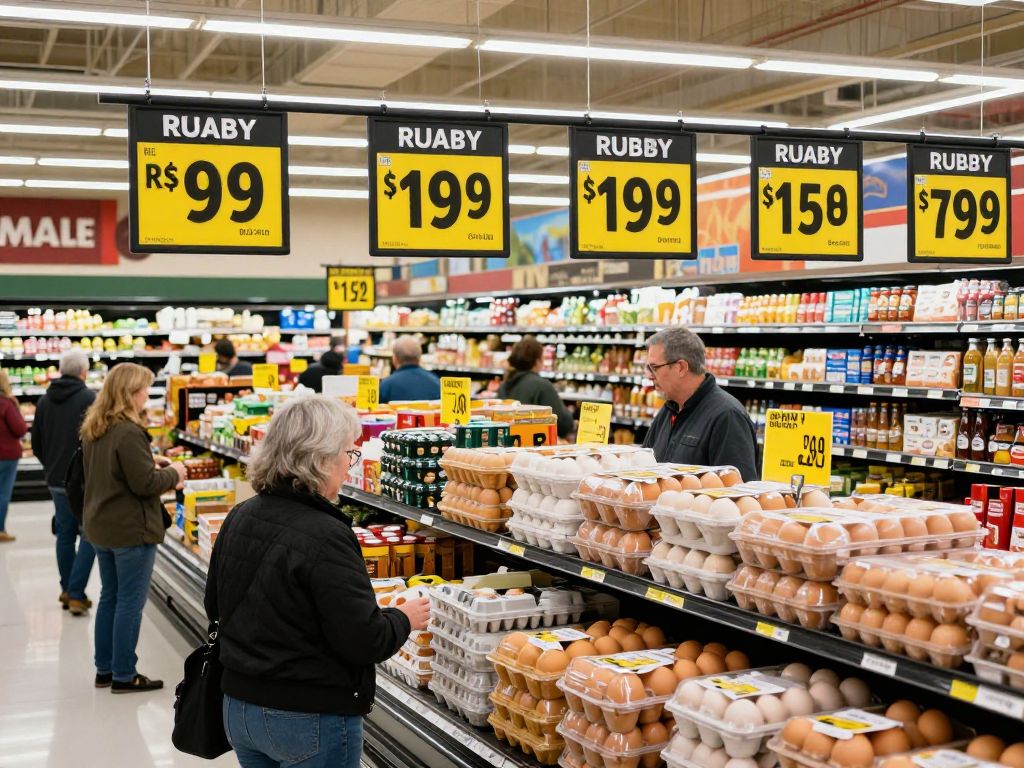
Kansas City, MO – Residents and local businesses across the metro area are navigating a prolonged period of elevated egg prices, a trend mirroring a broader national challenge. The ongoing situation at Kansas City grocery stores highlights the interconnectedness of national agricultural dynamics and local consumer experiences [cite: original snippet]. While the resilience of local entrepreneurs and the adaptability of supply chains are put to the test, the community continues to seek stability in the breakfast staple.
The current climate underscores the delicate balance of supply and demand in essential goods, prompting a closer look at the factors influencing the market. Many in our community are accustomed to the predictability of grocery costs, and the sustained increase in egg prices has led to adjustments in household budgets and business operations. This period also presents an opportunity to appreciate the innovation and determination displayed by businesses striving to maintain offerings and serve their customers despite external pressures.
Understanding the Nationwide Egg Market Volatility
The primary driver behind the persistent high costs and reduced availability of eggs nationwide is the ongoing outbreak of Highly Pathogenic Avian Influenza (HPAI), commonly known as bird flu. This strain, identified as H5N1, has been a significant concern since January 2022 and has continued to affect bird populations into 2025, causing millions of deaths among birds across the United States. Over 166 million birds have been impacted since the outbreak’s inception, including 127 million egg-laying hens, leading to a substantial reduction in the national egg supply. The rate at which the U.S. is losing egg-laying hens to this disease is unprecedented in a decade.
Beyond the direct impact of HPAI, other economic factors contribute to the elevated prices. These include input-cost volatility, such as fluctuations in feed and energy prices, a still tight labor market, and broader inflationary pressures affecting agricultural production costs, which remain historically high [cite: original snippet, 1, 4, 7]. Historically, changes in consumer demand throughout the year and certain state regulations concerning cage-free production have also played a role in price fluctuations.
The Local Impact on Kansas City Shoppers and Businesses
For Kansas City residents, the nationwide trends translate directly to the grocery aisle. Economists currently are unsure when the ongoing U.S. egg shortages will abate [cite: original snippet]. In January 2025, the national average price for a dozen large, Grade A eggs reached a record-high $4.95. This figure represented a 53% increase compared to the previous year. In December 2024, the average cost for a dozen eggs nationwide was $4.15, marking a 65% rise from the prior year and a 132% increase from December 2021, before the bird flu crisis significantly escalated.
The impact extends beyond individual consumers to local Kansas City businesses that rely heavily on eggs, such as bakeries, diners, and restaurants. These establishments are demonstrating remarkable small-business resilience as they navigate higher procurement costs. Some supermarkets nationwide have implemented purchase limits on eggs to manage dwindling supplies, and certain restaurants have introduced egg surcharges to offset increased expenses. However, many local businesses prioritize their customers, seeking innovative ways to absorb rising costs or adjust menus without passing the full burden onto consumers. This entrepreneurial spirit is a testament to Kansas City’s vibrant business community.
Government and Industry Responses to Stabilize Supply
In response to the severe challenges posed by HPAI, the U.S. Department of Agriculture (USDA) outlined a comprehensive five-pronged strategy in February 2025 to combat the avian influenza and stabilize the egg supply. Key components of this strategy include investing in gold-standard biosecurity measures for all U.S. poultry producers, funding research into HPAI prevention, therapeutics, and potential vaccines, and leveraging safe import-export policies to supplement domestic supplies. Since January 2025, more than 26 million dozen shell eggs have been imported from countries like Brazil, Honduras, Mexico, Turkey, and South Korea for breaking and pasteurization, thereby increasing the quantity of eggs available to consumers.
Furthermore, the USDA has expedited relief for farmers, accelerating the repopulation of poultry flocks after HPAI detection. Since February 27, 2025, over $70 million has been paid out to directly support layer flocks, following an increase in indemnity values available to affected producers. These measures aim to provide essential support to farmers, enabling them to rebuild their flocks and restore supply more quickly. While the road to full recovery is expected to extend into 2026 for flock sizes to return to previous levels, these proactive steps illustrate a commitment to fostering a stable agricultural environment.
Looking Ahead: Economic Outlook and Community Adaptation
While the USDA initially predicted egg prices would rise over 20% in 2025, later revising this forecast to a 41% increase, recent data offers a nuanced perspective. Retail egg prices saw a sharp decline in September 2025, registering almost 44% below their peak in March 2025 and even falling 1.3% below prices from September 2024. However, wholesale prices experienced an uptick in October 2025, which could potentially lead to higher retail prices again. The long-term outlook suggests that flocks are unlikely to return to their previous size until 2026, meaning prices may remain elevated for some time.
The Kansas City community, known for its spirit of innovation and self-reliance, continues to adapt. From local food banks seeking alternative protein sources to home cooks adjusting recipes, the ingenuity of Kansas Citians shines through. Supporting local egg producers, even on a smaller scale, and patronizing businesses that are working hard to manage these costs can help foster continued Kansas City MO business stability and economic growth during these fluctuating times.
Conclusion
The ongoing egg shortage and its accompanying high costs present a significant challenge for Kansas City consumers and businesses, driven primarily by nationwide avian influenza outbreaks and complex economic factors. While the situation demands ongoing vigilance and adaptation, the proactive responses from the agricultural sector and the resilience of local businesses offer a path forward. By supporting our Kansas City small business community and remaining informed about the broader market dynamics, we can collectively navigate these economic currents. Let’s continue to champion the entrepreneurial spirit that keeps our city thriving, ensuring that Kansas City remains a hub of community and economic vitality.
Frequently Asked Questions
What is causing the current egg shortage and high prices in Kansas City?
The primary driver behind the persistent high costs and reduced availability of eggs nationwide is the ongoing outbreak of Highly Pathogenic Avian Influenza (HPAI), commonly known as bird flu, since January 2022, continuing into 2025. Over 166 million birds have been affected since the outbreak’s inception, including 127 million egg-laying hens.
When are economists expecting the egg shortage to end?
Economists currently are unsure when the ongoing U.S. egg shortages will abate. Flocks are unlikely to return to their previous size until 2026, meaning prices may remain elevated for some time. [cite: original snippet, 3]
What were the national average egg prices in early 2025?
In January 2025, the national average price for a dozen large, Grade A eggs reached a record-high $4.95. This figure represented a 53% increase compared to the previous year.
What measures has the USDA taken to address the egg shortage?
The U.S. Department of Agriculture (USDA) outlined a comprehensive five-pronged strategy in February 2025 to combat avian influenza and stabilize the egg supply. This includes investing in biosecurity, funding research, leveraging imports, and providing expedited relief for farmers to accelerate repopulation. Since January 2025, more than 26 million dozen shell eggs have been imported.
Key Features of the Egg Shortage and Price Increases
| Feature | Description | Geographic Scope |
|---|---|---|
| Primary Cause of Shortage | Highly Pathogenic Avian Influenza (HPAI) / Bird Flu (H5N1) | Nationwide |
| Start of Major Outbreak | January 2022, continuing into 2025 | Nationwide |
| Birds Affected (Total) | Over 166 million birds, including 127 million egg layers | Nationwide |
| Record National Average Price (Jan 2025) | $4.95 per dozen large, Grade A eggs | Nationwide |
| Year-over-Year Price Increase (Jan 2025) | 53% increase compared to previous year | Nationwide |
| USDA 2025 Price Forecast Revision | Revised to a 41% increase for 2025 | Nationwide |
| Expected Flock Recovery Timeline | Unlikely to return to previous size until 2026 | Nationwide |
| USDA Strategic Response | Five-pronged strategy initiated in February 2025 | Nationwide |
| Egg Imports (Since Jan 2025) | More than 26 million dozen shell eggs imported | Nationwide |
Deeper Dive: News & Info About This Topic
HERE Resources
Kansas City Welcomes New Cosmo Burger Location
USPOULTRY Announces Educational Programs for Poultry Industry
Severe Weather Alert for Kansas City This Easter Weekend
Guaranteed Foods Inc. Lowers Food Prices to Combat Tariff Woes
Kansas City Food Scene Expands with New Openings and Events
Hidden Gem in Kansas City’s River Market: Nguyen Pho & Grill
Trump’s Bold Address at Davos: Emphasizing ‘America First’