

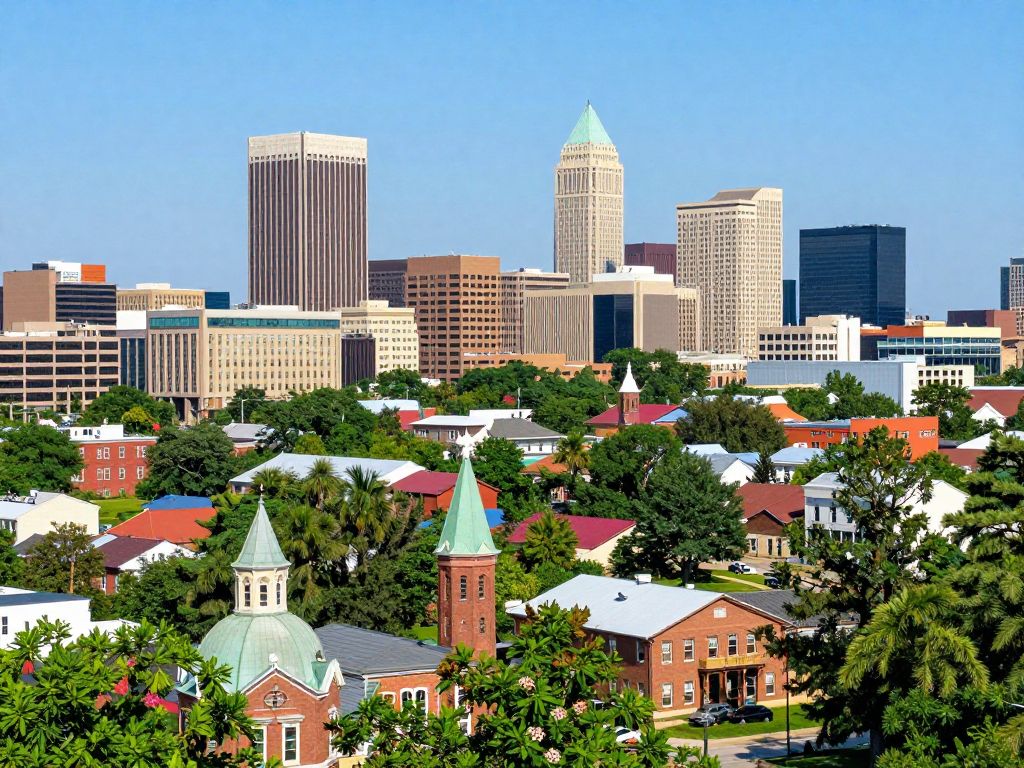
Kansas City, Missouri, January 20, 2026
A national assessment has placed Springfield ahead of Kansas City in livability rankings, spurring discussions about affordability, job growth, and quality of life in both cities. The U.S. News & World Report ranked Springfield 57th and Kansas City 73rd among 150 metro areas, highlighting the economic disparities and unique strengths of each city. Springfield’s advantages include affordability and notable job growth, while Kansas City continues to prove itself as a hub for entrepreneurial innovation despite rising living costs. The debate underscores the diverse appeal of Missouri’s urban environments.
Kansas City, Missouri
Midwestern Metros: Examining the Springfield vs. Kansas City Livability Debate
A recent national assessment has sparked discussion across Missouri, placing Springfield ahead of Kansas City on a prominent list of best places to live. While rankings offer a snapshot, they also provide an opportunity to explore the unique economic landscapes and community strengths defining our state’s vibrant cities.
Understanding what drives these evaluations allows us to appreciate the dynamic factors contributing to a city’s appeal, from the determination of local entrepreneurs to the thoughtful planning that fosters economic growth. This year’s “Best Places to Live” list from a national publication ranked Kansas City below other Midwestern cities, including Springfield. For many who call Kansas City home, this raises questions about the metrics used and highlights the distinct advantages different urban environments offer residents and businesses.
The Ranking Revealed: Springfield’s Edge in Affordability
The U.S. News & World Report’s “Best Places to Live” list recently ranked Springfield, Missouri, at 57th among 150 metro areas, placing it above Kansas City, which ranked 73rd. A key factor in this distinction was affordability. Springfield secured the 19th spot on the national list of the 25 cheapest places to live. In contrast, Kansas City did not appear on this specific affordability ranking, and its rising cost of living was noted.
Data indicates that the cost of living in Kansas City, Missouri, is significantly more expensive than in Springfield, Missouri, with estimates ranging from 5.4% to 10.5% higher. Housing costs stand out as the largest contributor to this difference, with Kansas City housing being between 13.9% and 24.5% more expensive than Springfield’s. Springfield’s overall cost of living is approximately 13.5% below the Nationwide average.
Springfield’s Economic Vibrancy and Community Planning
Springfield’s appeal extends beyond just lower costs. The city boasts a robust arts and music scene, lively nightlife, college and minor league sports, and ample outdoor recreation opportunities. From an economic perspective, the Springfield metro area has shown notable job growth, with its workforce expanding over 9.1% in the last decade and contributing 15% of Missouri’s total job growth in 2022. The area’s annual average unemployment rate stood at 2.3%. Springfield was recognized Nationwide as the 13th Best City for Job Growth among midsize cities, one of only two Missouri cities to rank within the top 100 of all cities.
The city’s job market is diverse, with health care and social assistance employing 41,000 people and contributing $3.8 billion to the metro’s GDP in 2022. Manufacturing also plays a significant role, providing over 19,000 jobs and generating $2.7 billion in GDP in 2022. Springfield’s strong tax climate and local support for small businesses also make it an attractive location for aspiring entrepreneurs. The City of Springfield actively manages growth through initiatives like the “Forward SGF” comprehensive plan, adopted in November 2022, and ongoing updates to its Land Development Code, designed to foster orderly growth and efficiently utilize resources. Community development efforts include city housing and small business programs, urban district improvements, and support for non-profit housing development.
Kansas City’s Entrepreneurial Drive and Economic Resilience
While Springfield garnered a higher rank in this specific evaluation, Kansas City continues to demonstrate significant economic strengths and a dynamic environment for businesses and residents. Kansas City’s economy is notably diverse, with no single sector accounting for more than 15% of overall employment. Key industries driving the local economy include biosciences, distribution and e-commerce, data centers and technology, financial services, and architecture, engineering, and construction.
The region is a recognized hub for entrepreneurial innovation and startups. The Kansas City MO business landscape is supported by a vibrant ecosystem of accelerators, angel investors, and public-private collaborations. Institutions like the Ewing Marion Kauffman Foundation, one of the largest foundations Nationwide dedicated to entrepreneurship, provide programs to help businesses start and grow. Local initiatives such as LaunchKC, which offers grants to innovative startups, and Digital Sandbox KC, providing proof-of-concept funding, further fuel this innovative spirit.
The tech sector, in particular, is experiencing a boom, with 237 active startups and a significant increase in venture capital funding in 2021. These Kansas City small business ventures are creating jobs with wages approximately 42% higher than the average. Projections for the Kansas City region between 2020 and 2030 indicate the largest industry growth in professional, scientific, and technical services; hospitals; warehousing and storage; and ambulatory health care services.
Quality of Life and Development in the Heart of the Midlands
Kansas City offers a distinctive quality of life, characterized by its Midwestern friendliness, a rich music scene, and renowned food culture, particularly its barbecue and jazz heritage. The city is also known as the “City of Fountains.” In 2020, a report by Numbeo ranked Kansas City 18th globally and 8th nationally for quality of life, highlighting strong performance in purchasing power, healthcare, and commute time. While safety and cost of living were its lower-ranked factors in that global assessment, Kansas City maintained a strong overall standing.
Regarding cost of living, the Kansas City metro area’s total expenses are about 10% lower than the Nationwide average, and housing costs are 12% below the Nationwide average. However, housing prices have increased since 2020, exceeding the Nationwide average. Despite these rising costs, Kansas City remains more affordable than many larger metro areas. The city benefits from a well-developed transportation and distribution network and is considered the most connected region in the U.S., with extensive fiber optic infrastructure. Ongoing projects, such as discussions around a new Royals stadium and the existing KC Streetcar, which has stimulated over $3 billion in economic development downtown, underscore a continuous drive for urban renewal and progress, contributing to Midlands economic growth.
Broader Midwestern Context
The regional comparison extends beyond just Springfield and Kansas City. Other Midwestern cities appeared on the U.S. News list, including Des Moines, Iowa, at 19th; Lincoln, Nebraska, at 37th; Omaha, Nebraska, at 46th; and Wichita, Kansas, at 87th. Notably, Wichita was also ranked as the third most affordable place to live in the U.S. (Nationwide scope).
Conclusion
The national rankings provide a valuable lens through which to view the diverse appeals of Missouri’s cities. Springfield’s strong showing, particularly in affordability and job growth, reflects a city committed to strategic development and a high quality of life for its residents. Kansas City, while facing different market dynamics, continues to thrive as a hub for Missouri MO entrepreneurs and innovation, driving significant economic activity and fostering a vibrant cultural scene.
Ultimately, “best” is subjective and depends on individual priorities—whether that’s maximum affordability, a burgeoning tech scene, or a rich cultural tapestry. What remains clear is the resilient spirit of both Kansas City and Springfield, each contributing uniquely to the state’s economic vitality and offering distinct opportunities for personal achievement and community engagement. Supporting Kansas City small business and staying engaged in discussions about our city’s economic future ensures continued progress and prosperity for all.
Frequently Asked Questions
What national list ranked Springfield as a better place to live than Kansas City?
A U.S. News & World Report “Best Places to Live” list recently ranked Springfield, Missouri, at 57th among 150 metro areas, placing it above Kansas City, which ranked 73rd.
Why did Springfield rank higher than Kansas City on this list?
A key factor in Springfield’s higher ranking was its affordability. Springfield secured the 19th spot on the national list of the 25 cheapest places to live.
How much more expensive is Kansas City’s cost of living compared to Springfield’s?
The cost of living in Kansas City, Missouri, is significantly more expensive than in Springfield, Missouri, with estimates ranging from 5.4% to 10.5% higher.
What are some of Springfield’s economic strengths?
Springfield’s metro workforce grew over 9.1% in the last 10 years, contributing 15% of Missouri’s total job growth in 2022. It was also recognized Nationwide as the 13th Best City for Job Growth among midsize cities.
What are some of Kansas City’s economic strengths?
Kansas City has a diverse economy with no single sector comprising more than 15% of overall employment. It is also a recognized hub for entrepreneurial innovation and startups, with a booming tech sector.
How does Kansas City’s cost of living compare to the Nationwide average?
The Kansas City metro area’s total cost of living is about 10% lower than the Nationwide average.
What kind of community development initiatives are happening in Springfield?
The City of Springfield is actively managing growth through initiatives like the “Forward SGF” comprehensive plan, adopted in November 2022, and ongoing updates to its Land Development Code, designed to foster orderly growth and efficiently utilize resources.
Key Features Comparison: Springfield vs. Kansas City
| Feature | Springfield, MO | Kansas City, MO |
|---|---|---|
| National Livability Ranking (U.S. News) | 57th | 73rd |
| Affordability Ranking (Cheapest Places to Live) | 19th Nationwide | Did not make the list |
| Cost of Living vs. KC | 5.4% to 10.5% less expensive | 5.4% to 10.5% more expensive |
| Housing Costs vs. KC | 13.9% to 24.5% less expensive | 13.9% to 24.5% more expensive |
| Job Growth Recognition | 13th Best City for Job Growth among midsize cities Nationwide | Booming tech sector, 42% higher wages in tech |
| Key Industries | Health care, manufacturing, logistics | Biosciences, distribution & e-commerce, tech, financial services |
| Cost of Living vs. National Average | 13.5% below Nationwide average | Approx. 10% below Nationwide average |
| Entrepreneurial Support | Strong tax climate and local support | Thriving ecosystem of accelerators, grants, foundations |
Deeper Dive: News & Info About This Topic
HERE Resources