

Kansas City, Missouri, January 6, 2026
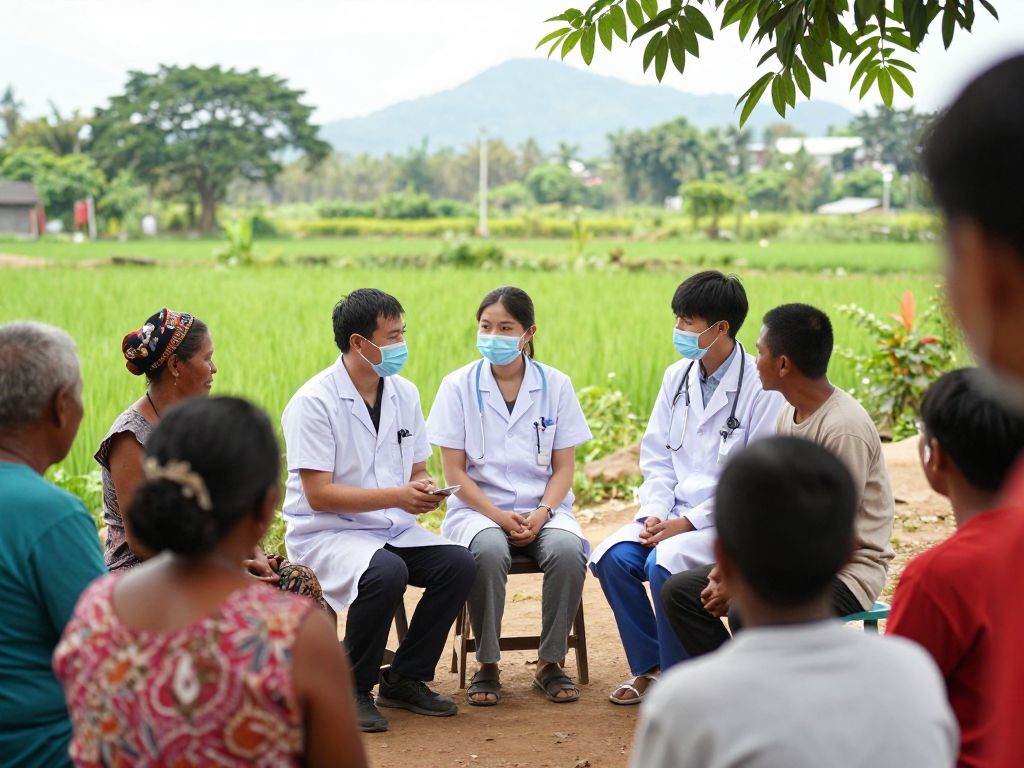
Kansas City University has received a $273,000 grant from the Patterson Family Foundation to enhance healthcare access in Southeast Kansas and Western Missouri. This initiative aims to improve healthcare resources and create a training program that encourages medical and dental graduates to stay in their rural communities. KCU’s proactive approach is designed to address the critical shortage of healthcare providers in these regions by cultivating local talent and strengthening community health.
Kansas City
KCU Boosts Rural Health Access in Kansas and Missouri
Kansas City University has secured a significant grant to enhance healthcare access across Southeast Kansas and Western Missouri, reinforcing its commitment to fostering robust community health and economic vitality through targeted educational initiatives.
The spirit of American ingenuity and local engagement is alive and well as Kansas City University (KCU) announces a substantial $273,000 grant. This funding, provided by the Patterson Family Foundation, is a testament to the power of private philanthropy supporting critical community needs. It will fuel a one-year initiative designed to bolster healthcare access in the often-underserved rural communities of Southeast Kansas and Western Missouri. This strategic investment highlights the university’s entrepreneurial vision in addressing regional challenges, fostering personal achievement among aspiring healthcare professionals, and promoting local solutions for economic growth through improved public health infrastructure.
KCU’s proactive approach demonstrates how private institutions can lead in innovative solutions, developing pathways that empower local talent and strengthen regional economies. By focusing on the unique needs of rural areas, this initiative promises to cultivate a new generation of medical and dental professionals dedicated to serving their home communities, thereby exemplifying the resilience and self-reliance crucial for thriving local economies.
Addressing the Rural Healthcare Imperative
The newly awarded $273,000 grant specifically targets the launch of a “Pathway for Rural Medicine and Dentistry Training” program. This initiative is spearheaded by KCU’s Center for Population Health and Equity (CPHE) and is set to expand crucial relationships with rural hospitals, clinics, and higher education partners. The core objective is to create hands-on rural clinical training opportunities, attracting students with a keen interest in pursuing medical and dental careers in rural settings.
The long-term vision of this program is particularly impactful: to establish pathways that actively encourage graduates to return to these rural communities to live, train, and practice. This thoughtful strategy is essential for building a sustainable healthcare workforce where it is most needed, reducing reliance on external recruitment, and empowering local communities to grow from within.
Strategic Placement: KCU’s Regional Impact
With campuses strategically located in Kansas City and Joplin, Missouri, KCU is uniquely positioned to address the healthcare workforce crisis in both urban and rural areas across the region. The KCU-Joplin campus, which opened in 2017, plays a vital role in this endeavor, specifically coordinating partnership development, student placements, and enrichment programming designed to cultivate interest, sustain engagement, and adequately prepare students for rural practice.
The university’s commitment extends to engaging alumni as mentors and community connectors, fostering a robust network of support for students exploring careers in rural medicine. This cultivation of local talent, often from the very communities they will serve, enhances the likelihood of long-term retention and deeper community integration for these vital healthcare providers. Richard Schooler, DO, Vice President of the Farber-McIntire Campus and founding dean of the College of Health Professions, emphasized that building these rural partnerships and supporting student internships is critical to ensuring long-term access to care.
The Critical Need for Rural Providers
The impetus for such initiatives is clear: rural areas across the United States face significant shortages of healthcare providers. Nationwide, almost 65% of primary care Health Professional Shortage Areas are located in rural regions, yet less than 12% of physicians practice in these areas. The disparity is similarly stark in dentistry, with nearly 67% of dental shortage areas nationwide situated in rural America, where many communities have fewer than five dentists per 10,000 residents.
In Missouri, the state requires nearly 500 additional primary care physicians and approximately 350 dentists to meet current needs. Neighboring Kansas faces its own deficit, needing an estimated 113 more physicians and over 50 dentists. These figures underscore the urgent demand for programs like KCU’s, which are directly addressing these critical gaps and contributing to the overall Midlands economic growth.
Cultivating a Local Pipeline
Evidence suggests that training health professionals within rural settings significantly improves the recruitment and retention of skilled healthcare providers in rural, underserved areas. Kansas City University has embraced this principle through various programs, including its existing Rural Health Scholars program. This initiative offers an accelerated, seven-year pathway for students from medically underserved counties to become osteopathic physicians or dentists. It is a collaborative effort involving eight community colleges and two state universities across Kansas, Missouri, Oklahoma, and Arkansas, demonstrating a broad, multi-state commitment to regional health improvement.
Historically, about half of all physicians choose to establish their practices within 75 miles of where they complete their residency training. This statistic highlights the strategic importance of KCU’s efforts to provide rural training experiences, as it directly increases the probability of these future doctors and dentists remaining in the regions they served during their education. This not only bolsters healthcare access but also contributes to the stability and vibrancy of local economies through the presence of highly skilled professionals and their families.
Looking Ahead: A Stronger Community Future
Kansas City University’s $273,000 grant represents more than just financial aid; it is an investment in the human capital and enduring prosperity of Southeast Kansas and Western Missouri. By fostering entrepreneurial innovation in healthcare education, promoting personal achievement among its students, and demonstrating a deep understanding of community needs, KCU is actively working to ensure that vital medical and dental services are accessible to all residents. This initiative aligns with the principles of local empowerment and self-sufficiency, enabling communities to address their own challenges with homegrown talent. Readers are encouraged to learn more about and support local initiatives that strengthen our region’s healthcare infrastructure and foster the next generation of Missouri MO entrepreneurs and healthcare leaders. Engaged community involvement and robust private-public partnerships are key to ensuring a thriving future for all of Kansas City MO business and its surrounding areas.
Frequently Asked Questions
What is the purpose of the $273,000 grant awarded to Kansas City University?
The $273,000 grant was awarded to Kansas City University to launch a new initiative designed to strengthen healthcare access in rural communities across Southeast Kansas and Western Missouri.
Which areas will benefit from this initiative?
The initiative will benefit rural communities across Southeast Kansas and Western Missouri.
What is the long-term goal of the training program?
The long-term goal of the program is to create pathways that encourage graduates to return to rural communities to live, train, and practice.
Which KCU campus will coordinate the new program?
The Center for Population Health and Equity (CPHE) team at KCU-Joplin will coordinate partnership development, student placements, and enrichment programming for the new initiative.
What are the current healthcare needs in Missouri and Kansas?
Missouri needs nearly 500 additional primary care physicians and close to 350 dentists. Kansas requires an estimated 113 additional physicians and more than 50 dentists.
Key Features of KCU’s Rural Healthcare Initiative
| Feature | Description | Geographic Scope |
|---|---|---|
| Grant Amount | $273,000 | N/A |
| Funding Source | Patterson Family Foundation | N/A |
| Initiative Duration | One-year | N/A |
| Primary Goal | Strengthen healthcare access in rural communities | Southeast Kansas and Western Missouri |
| Program Name | Pathway for Rural Medicine and Dentistry Training | Southeast Kansas and Western Missouri |
| Coordinating Entity | Center for Population Health and Equity (CPHE) at KCU-Joplin | Southeast Kansas and Western Missouri |
| Key Activities | Expand relationships with rural hospitals/clinics, create rural clinical training, recruit local students, engage alumni as mentors | Southeast Kansas and Western Missouri |
| Long-Term Objective | Encourage graduates to return to rural communities to live, train, and practice | Southeast Kansas and Western Missouri |
| Missouri Physician Shortage | Nearly 500 additional primary care physicians needed | State-level |
| Missouri Dentist Shortage | Close to 350 dentists needed | State-level |
| Kansas Physician Shortage | Estimated 113 additional physicians needed | State-level |
| Kansas Dentist Shortage | More than 50 dentists needed | State-level |
| Rural Primary Care HPSAs (Nationwide) | Nearly 65% of primary care Health Professional Shortage Areas are in rural regions | Nationwide |
| Rural Dentist Shortage Areas (Nationwide) | Nearly 67% of dental shortage areas are located in rural America | Nationwide |
Deeper Dive: News & Info About This Topic
HERE Resources
California’s Proposition 50 Aims to Redraw Congressional Districts
Kansas and Missouri Schools to Receive Over $100 Million in Federal Funding
Funding Crisis Hits Kansas City Public Schools
Kansas City Schools Face Major Funding Cuts
Virginia Radiology Group Ends Contract Talks with Mary Washington Healthcare
Kansas City Initiatives Address Community Challenges
Major Medicaid Cuts: A Looming Nightmare for Rural Americans
UMKC Launches Rural Medicine and Dental Programs in St. Joseph
St. Joseph Readies for UMKC School of Medicine Campus Opening
Court Blocks Trump Administration’s Health Funding Cuts in Kansas City