
Kansas City, Missouri, October 23, 2025
News Summary
Kansas City has a rich history of public transportation innovation, spearheaded by Robert Gillham’s contributions in the late 19th century. From the first horse-drawn streetcars to the introduction of cable traction systems, Gillham’s vision reshaped transit in the city. Modern developments, such as new transit-only lanes on Main Street, highlight current efforts to enhance public transport. Meanwhile, community support for funding initiatives points to ongoing challenges and opportunities for Kansas City’s transit future.
Kansas City, Missouri has long been a hub for innovative public transportation, tracing its roots back to the efforts of Robert Gillham, a civil engineer who made significant contributions to the city’s early street railways. Born in New York in 1855, Gillham arrived in Kansas City in 1878 and quickly became an influential figure in the development of public transit.
Prior to Gillham’s involvement, Kansas City saw its initial form of public transportation in 1869 with the founding of the Kansas City and Westport Horse Rail Road Company by Nehemiah Holmes. This early system relied on horse-drawn cars which, due to the city’s hilly terrain, were later replaced by mules, earning the nickname “hayburners.” Gillham’s early experiences included riding on a mule-drawn streetcar that followed a route similar to today’s Interstate 35.
In an initiative that would change the landscape of public transportation in Kansas City, Gillham proposed the cable traction system to enhance efficiency. One of his most notable achievements was the design of the Ninth Street Incline, which connected the West Bottoms to Quality Hill, providing a crucial link for navigating the city’s steep grades. However, Gillham’s plans were met with resistance from Thomas Corrigan, who controlled the existing street railway system and saw Gillham’s cable proposal as a threat.
Support from community figures, including William Rockhill Nelson, founder of “The Kansas City Evening Star,” helped Gillham’s vision gain traction despite facing bureaucratic hurdles set by Corrigan. An accident that left Gillham unconscious and in need of surgery delayed progress, yet the Ninth Street Incline effectively opened in June 1885, marking the shift from animal-drawn transit to cable traction in Kansas City.
Building on his earlier successes, Gillham further improved public transport with his proposal for the Eighth Street Tunnel, which opened in 1888. By the mid-1890s, Kansas City had developed a robust cable car system, second only to San Francisco and Chicago in miles of cable track. As the 1890s progressed, electric streetcars began to replace the cable system, and although initially skeptical, Gillham recognized their effectiveness before his death in May 1899 at the age of 43.
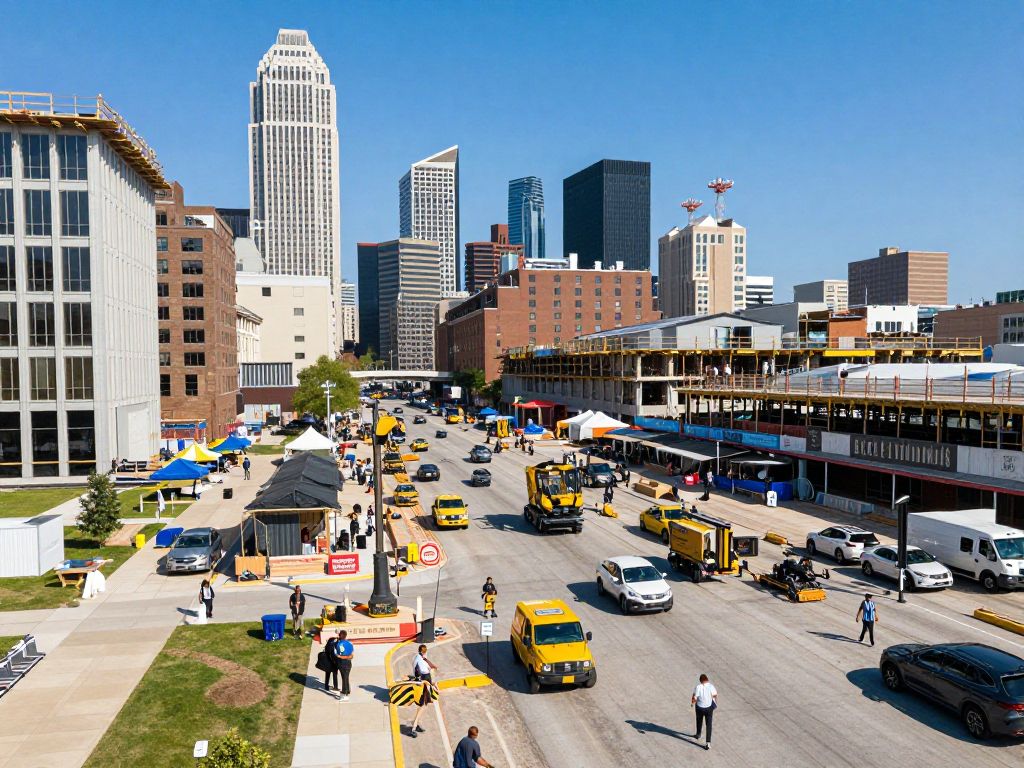
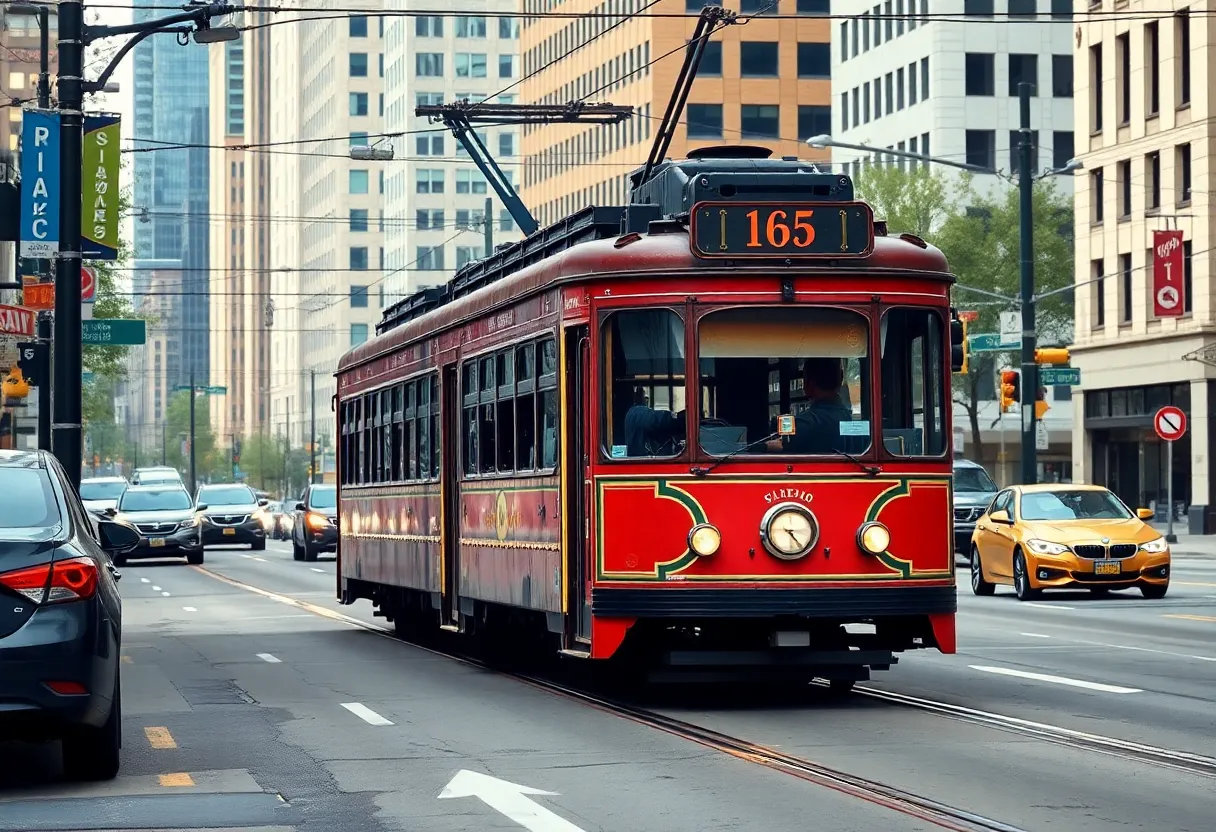
In tribute to his contributions, Gillham Parkway was planned and constructed after his passing. Modern developments in Kansas City’s public transit continue where Gillham left off. On September 29, 2025, the city opened transit-only lanes on Main Street designed for RideKC Streetcars and buses. This initiative includes new roadway markings, such as solid white-red-white lines, along with solid red-filled zones that identify transit-only areas, with enforcement measures that could lead to fines starting at $50 for violators.
A recent regional poll indicated strong community support for a half-cent sales tax aimed at funding public bus services in Jackson, Clay, Johnson, and Wyandotte counties. Currently, the Kansas City Area Transportation Authority (KCATA) cannot independently raise funds through taxes and relies heavily on municipal general revenue. The proposed countywide sales taxes are estimated to potentially generate more than $180 million annually for the public transit system.
Public sentiment reveals a commitment to enhancing pedestrian safety and increasing bus routes and stops, with bus riders organizing rallies to stress the importance of maintaining public transit funding. However, negotiations between Kansas City leaders and the KCATA over a new contract remain unresolved, leaving the authority at risk of having to cut routes if an agreement is not reached. Public transit users emphasize the vital role of these services in accessing necessary amenities and employment, particularly for vulnerable populations.
FAQ
Who was Robert Gillham?
Robert Gillham played a key role in the development of Kansas City’s early street railways.
What was the first form of public transportation in Kansas City?
Kansas City’s initial form of public transportation involved horse-drawn cars, which later transitioned to mules due to the city’s hilly terrain, earning the nickname “hayburners.”
What notable project did Gillham design?
The Ninth Street Incline project, which Gillham designed, connected the West Bottoms to Quality Hill, allowing for a better means of navigating the city’s steep grades.
When did the new transit-only lanes open on Main Street?
On September 29, 2025, Kansas City opened transit-only lanes on Main Street intended for RideKC Streetcars and buses.
What funding options are being considered for public transportation in Kansas City?
A regional poll found majority support for a half-cent sales tax to fund public bus services in Jackson, Clay, Johnson, and Wyandotte counties.
What are the potential consequences of unresolved negotiations between Kansas City leaders and the KCATA?
Unresolved negotiations leave the authority at risk of having to cut routes if an agreement is not reached.
Key Features of Kansas City’s Historical Transit Innovator: The Legacy of Robert Gillham and Modern Public Transit Developments
| Feature | Description |
|---|---|
| Robert Gillham | Key figure in the development of early street railways in Kansas City. |
| Ninth Street Incline | Connected West Bottoms to Quality Hill, a major advancement in public transport. |
| Modern Developments | Opening of transit-only lanes on Main Street for improved public transportation. |
| Funding Initiatives | Proposed half-cent sales tax to support public bus services in the region. |
| Current Challenges | Risk of route cuts due to unresolved contract negotiations between local leaders and KCATA. |
Deeper Dive: News & Info About This Topic
HERE Resources
MTA Proposes Fare Increases for Public Transit
Washington High School Closes Due to Gas Leak
Controversial Reactions Sparked by Charlie Kirk’s Death
A Greener Future: Cities Commit to Bold Climate Action Plans
Missouri House Approves Gerrymandered Map Impacting Kansas City
Kansas City Secures Funding for Plaza District Improvements
Kansas City Police Seek Help in Aggravated Assault Case
How to plan a Kansas City nightlife date night: romantic bars, live music & late meals
Kansas City events checklist: what to bring, where to park and safety tips
Philadelphia Allocates Funds to Restore Bus Routes for Students
Additional Resources
- KCTV5: Kansas City’s Transit-Only Lanes are Complete
- Kansas City Star: Your KCQ
- Johnson County Post: Kansas City Sales Tax for Bus Service
- KMBC: Kansas City KCATA Transit Contract Negotiations
- KSHB: Kansas City Approves Transit Service Deal
- Wikipedia: Kansas City
- Google Search: Kansas City public transportation
- Google Scholar: Kansas City public transit
- Encyclopedia Britannica: Kansas City
- Google News: Kansas City transit